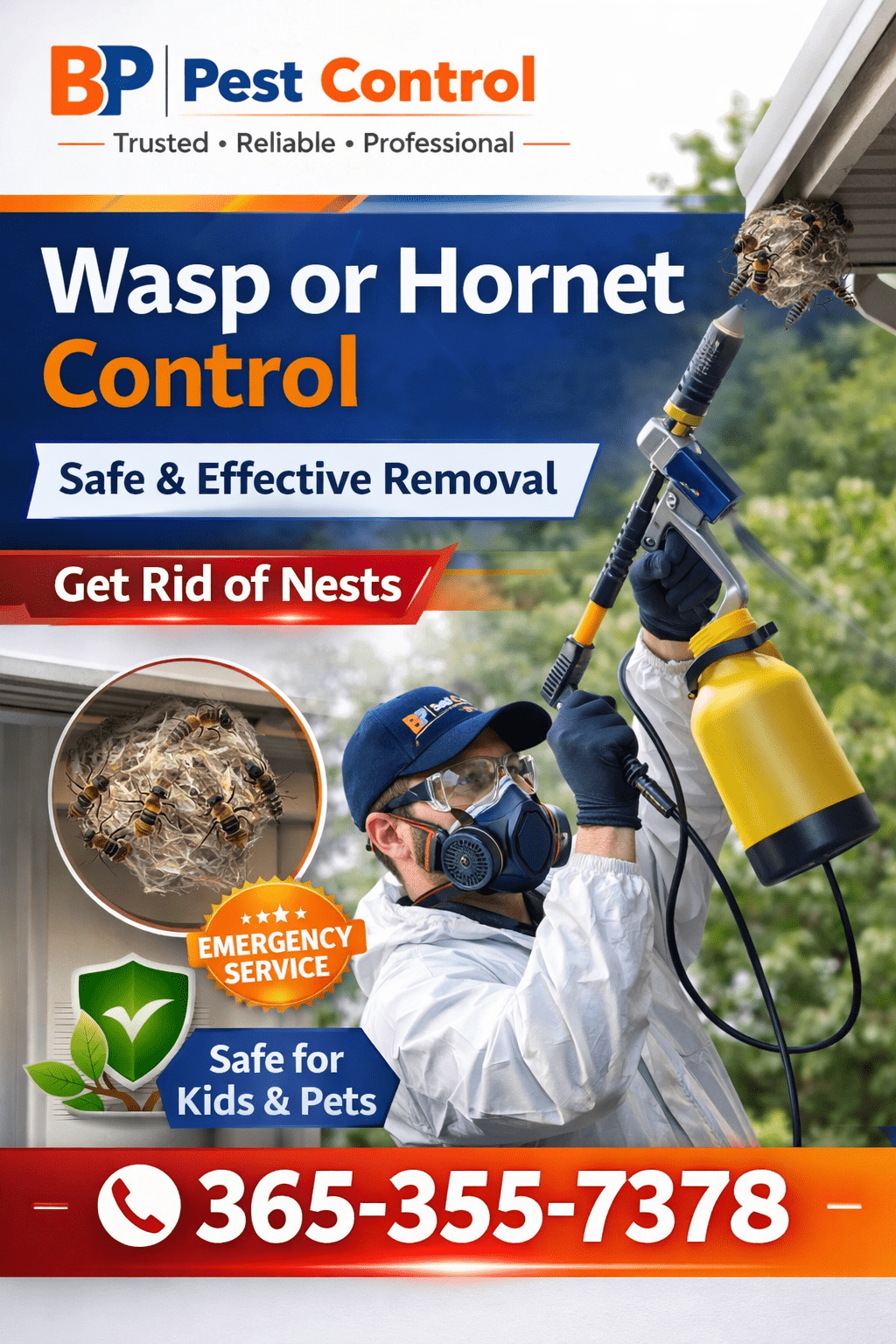
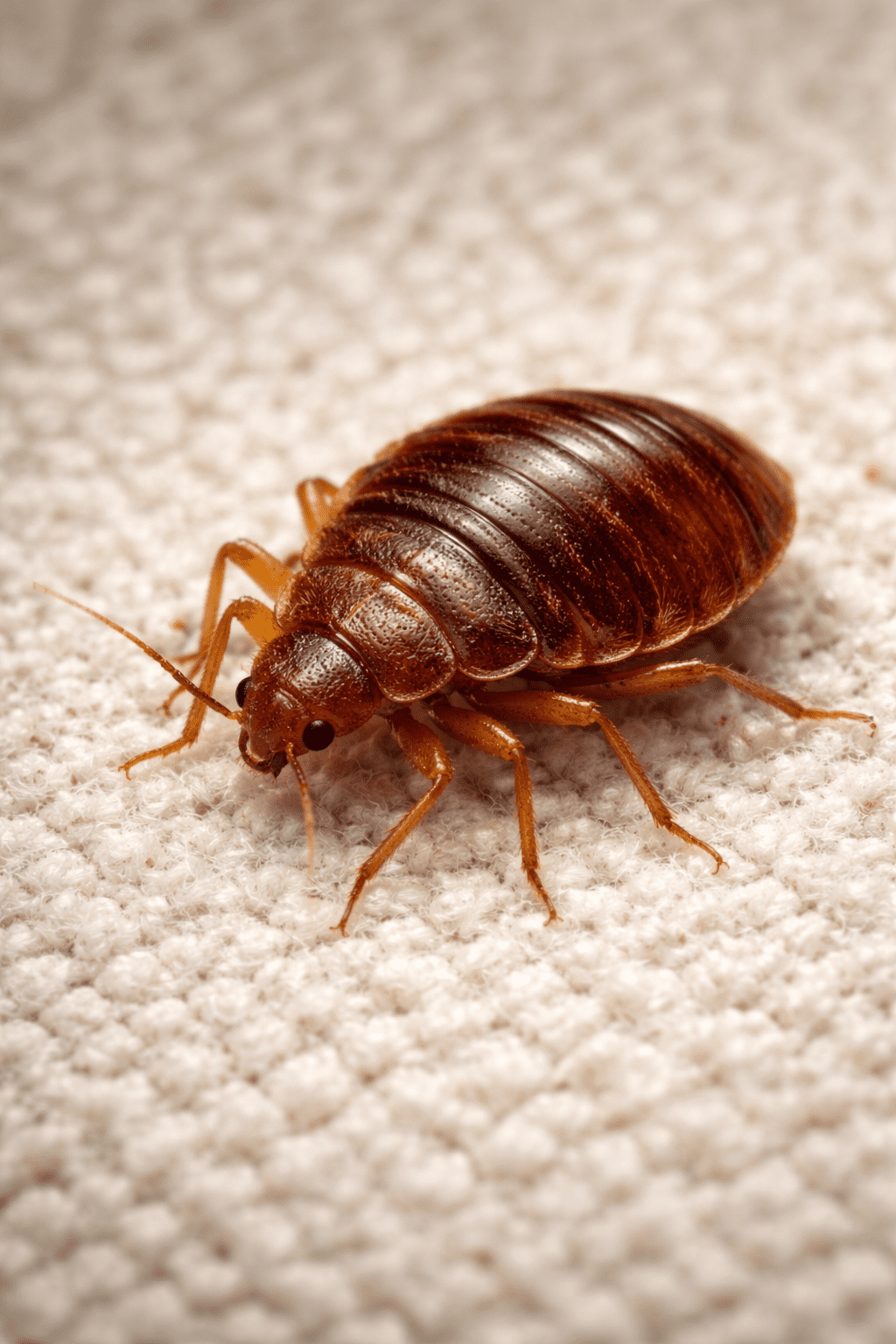
Where Do Wasps Build Nests is one of the most common questions homeowners ask during spring and summer. Wasps are excellent at finding quiet, sheltered locations where they can safely establish colonies. Unfortunately, many of these nesting areas are close to doors, patios, decks, playgrounds, and other places where families spend time outdoors. Learning Where Do Wasps Build Nests can help you identify problems early and schedule a professional Pest Inspection before a small colony becomes a serious safety concern.
Every spring, queen wasps emerge from hibernation and begin searching for protected locations to build new nests. Within only a few months, a colony can grow from a single queen into hundreds or even thousands of worker wasps. Professional inspections help identify hidden nests before they become dangerous for your family, employees, customers, or pets.
At BP Pest Control, we provide professional wasp inspections, safe nest removal, and preventative pest management throughout Durham Region, Toronto, and the GTA. Our technicians know exactly Where Do Wasps Build Nests and inspect every high-risk area around your property to locate active colonies before they continue expanding.
⭐ Read Our 5-Star Google Reviews
Why It’s Important to Know Where Do Wasps Build Nests
Many wasp nests remain completely hidden until worker populations become large enough that homeowners notice constant wasp activity. By the time a visible nest is discovered, hundreds of wasps may already be protecting the colony. Understanding Where Do Wasps Build Nests helps you recognize early warning signs before nests reach their peak size.
- Reduce sting risks
- Protect children and pets
- Find hidden nests earlier
- Prevent large colonies
- Protect outdoor living spaces
- Improve property safety
- Protect customers and employees
- Reduce recurring infestations
- Prevent structural nesting
- Schedule professional removal sooner
25 Common Places Where Wasps Build Nests
1. Roof Soffits
Roof soffits remain one of the most common answers to the question Where Do Wasps Build Nests. Small gaps allow queens to enter protected spaces where colonies remain hidden from view.
2. Attics
Warm attic spaces provide ideal shelter while allowing nests to grow unnoticed for months.
3. Wall Voids
Exterior wall cavities provide excellent protection from weather and predators.
4. Under Decks
The shaded underside of decks creates one of the most common residential nesting locations.
5. Porches
Covered porches protect developing colonies from rain and wind.
6. Garages
Garages often contain quiet roof corners where queens begin new colonies each spring.
7. Storage Sheds
Garden sheds provide ideal shelter because they receive little daily disturbance.
8. Trees
Bald-faced hornets commonly suspend large aerial nests from tree branches.
9. Shrubs
Dense shrubs provide protection for paper wasp nests.
10. Fence Posts
Hollow fence posts occasionally conceal active colonies.
11. Children’s Play Equipment
Playhouses, swing sets, and jungle gyms often provide sheltered nesting spaces.
12. Outdoor Furniture
Patio tables, umbrellas, and chairs may hide small developing nests.
13. Mailboxes
Enclosed mailboxes occasionally become attractive nesting locations.
14. Utility Boxes
Electrical and communication boxes provide protected spaces for queens.
15. Barbecue Grills
Unused grills can become attractive nesting sites during spring.
16. Gazebos
Roof structures offer shade and protection throughout the nesting season.
17. Pergolas
Decorative outdoor structures commonly support paper wasp nests.
18. Window Frames
Small openings around windows provide easy access to wall voids.
19. Chimneys
Unprotected chimney openings occasionally allow wasps to establish nests.
20. Crawl Spaces
Dark, sheltered crawl spaces are ideal for hidden colonies.
21. Barns
Agricultural buildings frequently develop multiple wasp nests each season.
22. Warehouses
Industrial roof structures often support large colonies.
23. Loading Docks
Commercial loading areas provide excellent shelter from weather.
24. Roof Vents
Damaged vent screens allow wasps to enter attic spaces.
25. Under Exterior Stairs
Exterior staircases provide protected nesting locations with minimal disturbance.
Signs You Have a Hidden Wasp Nest
Even if you cannot immediately determine Where Do Wasps Build Nests, several warning signs indicate a hidden colony may already exist on your property.
- Wasps flying the same route repeatedly
- Constant activity around rooflines
- Buzzing sounds inside walls
- Wasps entering one small opening
- Aggressive behaviour near one location
- Large numbers of wasps during summer
- Visible paper nest material
- Activity beneath decks or sheds
- Regular wasps around garbage bins
- Wasps around outdoor dining areas
Residential Wasp Inspections
BP Pest Control provides comprehensive inspections for homeowners who want to learn Where Do Wasps Build Nests around their property before colonies become dangerous.
- Detached homes
- Semi-detached homes
- Townhouses
- Condominiums
- Apartment buildings
- Rental properties
Learn more about our Residential Pest Control Services.
Commercial Wasp Inspections
Restaurants, cafés, schools, hotels, warehouses, shopping centres, retail stores, offices, and healthcare facilities benefit from routine wasp inspections before peak nesting season.
Learn more about our Commercial Pest Control Services.
When Should You Call a Professional?
Knowing Where Do Wasps Build Nests is important, but safely removing an active colony requires experience and the proper equipment. While very small nests discovered early in the spring may appear manageable, larger colonies can become extremely aggressive when disturbed. Professional inspections help determine the size of the colony, identify the wasp species, and recommend the safest removal method.
You should schedule a professional inspection if:
- You see wasps entering your roof or soffits.
- The nest is inside a wall or attic.
- Wasps are flying around children’s play areas.
- The nest is larger than a baseball.
- There are multiple nests on the property.
- Wasps have become aggressive.
- The nest is difficult to reach.
- You have allergies to insect stings.
- DIY removal has failed.
- The nest is near entrances or outdoor seating areas.
How Professional Wasp Inspections Work
At BP Pest Control, every inspection begins by identifying exactly Where Do Wasps Build Nests around your property. Our technicians inspect all common nesting locations to ensure hidden colonies are not overlooked.
Our inspections include:
- Roof and soffit inspections
- Attic assessments
- Wall void inspections
- Deck and patio inspections
- Garage and shed inspections
- Tree and shrub inspections
- Fence and outdoor structure inspections
- Nest identification
- Species identification
- Customized prevention recommendations
Learn more about our Professional Pest Inspection Services.
Why DIY Wasp Removal Often Fails
Many homeowners who discover where wasps build nests attempt to remove colonies themselves using aerosol sprays or home remedies. Unfortunately, disturbing an active nest can trigger an aggressive defensive response and may only eliminate a small portion of the colony.
DIY removal often results in:
- Multiple painful stings
- Hidden nests remaining active
- Incomplete colony removal
- Damage to siding or soffits
- Returning infestations
- Greater danger for family members and pets
Professional Wasp Removal Services safely eliminate active colonies while reducing the likelihood of future nesting.
How to Prevent Wasps From Building Nests
After learning Where Do Wasps Build Nests, homeowners can take proactive steps to make their property less attractive to nesting queens.
- Inspect rooflines every spring.
- Repair damaged soffits and siding.
- Seal gaps around vents and utility lines.
- Keep garbage containers tightly closed.
- Trim trees and shrubs away from the home.
- Inspect decks, sheds, and fences regularly.
- Remove abandoned nests.
- Reduce standing water.
- Schedule annual pest inspections.
- Use preventative pest treatments.
Learn more about our Preventative Pest Treatment Services.
Commercial Wasp Nest Inspections
Businesses also benefit from understanding Where Do Wasps Build Nests. Restaurants, cafés, hotels, schools, offices, warehouses, shopping centres, healthcare facilities, and industrial properties often have outdoor areas that attract nesting wasps. Routine inspections help protect customers, employees, and visitors while reducing liability.
Learn more about our Commercial Pest Control Services.
Industrial Wasp Management
Industrial facilities often contain loading docks, storage yards, roof structures, equipment shelters, and warehouses that provide excellent nesting opportunities. Routine inspections help identify colonies before they create hazards for workers or interrupt daily operations.
Learn more about our Industrial Pest Control Services.
Why Choose BP Pest Control?
For more than 20 years, BP Pest Control has helped homeowners and businesses locate and safely remove wasp nests throughout Durham Region, Toronto, and the GTA. Whether you’re trying to determine Where Do Wasps Build Nests or need immediate wasp removal, our experienced technicians provide customized solutions designed for long-term protection.
- 20+ Years of Experience
- Licensed & Experienced Technicians
- Residential Wasp Removal
- Commercial Wasp Removal
- Industrial Wasp Control
- Professional Property Inspections
- Safe & Effective Treatments
- Preventative Maintenance Programs
- Customized Pest Management Plans
- 5-Star Google Rated
Frequently Asked Questions
Where do wasps usually build nests?
Wasps commonly build nests inside roof soffits, attics, wall voids, under decks, inside sheds, garages, trees, shrubs, and other sheltered outdoor structures.
Why do wasps choose my home?
Homes with protected nesting areas, food sources, standing water, and structural gaps provide ideal conditions for new colonies.
How can I tell if a nest is hidden?
Repeated wasp activity in one location, buzzing sounds inside walls, or wasps entering a small opening often indicate a hidden nest.
Should I remove a wasp nest myself?
DIY removal is not recommended because disturbing an active colony can result in multiple stings and incomplete removal.
How can I prevent future nests?
Annual inspections, preventative pest treatments, sealing entry points, and regular property maintenance help reduce future nesting activity.
Book a Professional Wasp Inspection Today
If you’ve noticed increased wasp activity and want to know exactly Where Do Wasps Build Nests around your property, BP Pest Control is ready to help. Our experienced technicians locate hidden nests, identify wasp species, and provide safe, effective removal along with long-term prevention recommendations.
📞 Book Your Wasp Inspection Today
🏠 Residential Pest Control
🏢 Commercial Pest Control
🏭 Industrial Pest Control
🔍 Professional Pest Inspection Services
🛡️ Preventative Pest Treatments
🐝 Professional Wasp Removal Services
🌐 Visit BP Pest Control
⭐ Read Our 5-Star Google Reviews