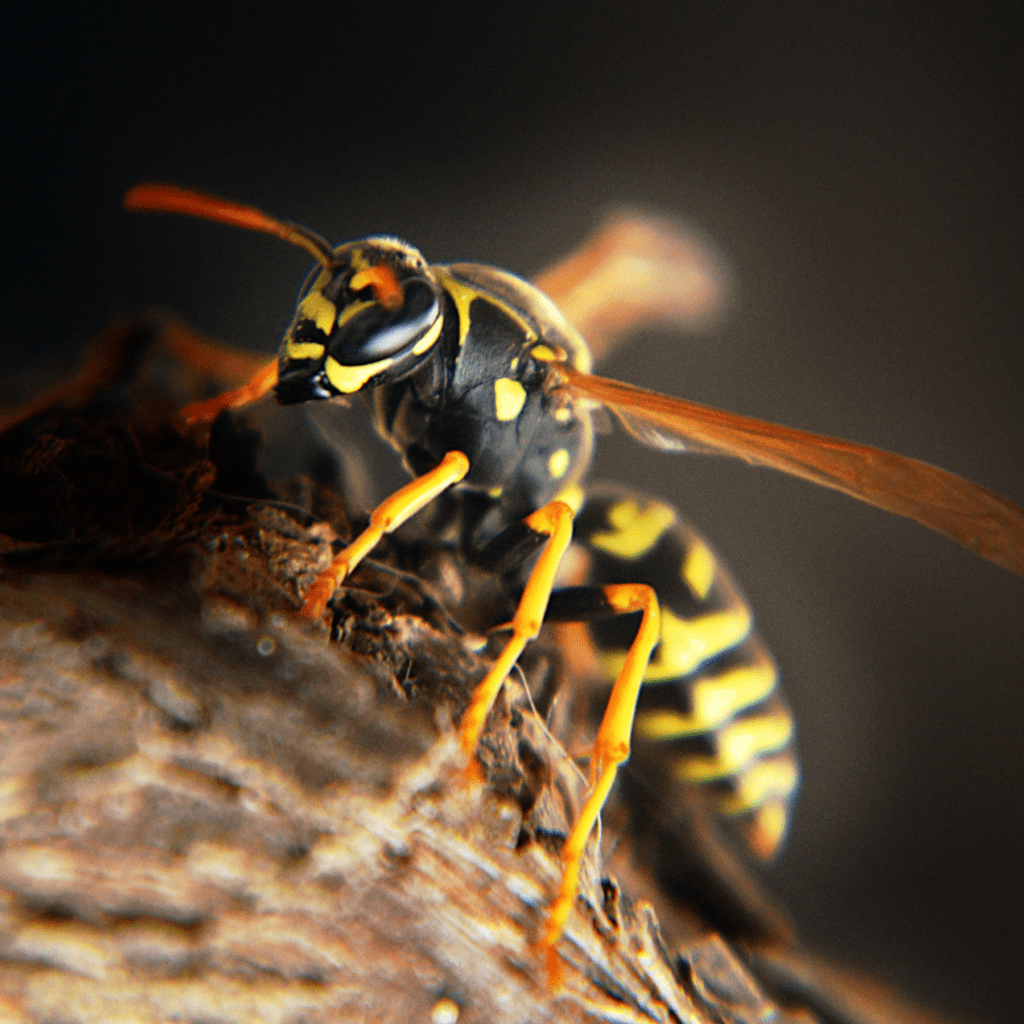
Wasp Nest in Roof problems are among the most common reasons homeowners call professional pest control companies during spring and summer. Roof spaces provide everything wasps need to build thriving colonies, including warmth, protection from rain, limited disturbances, and easy access through small gaps around soffits, vents, fascia boards, and roofing materials. A single queen can establish a small nest in spring that grows into a colony of hundreds or even thousands of worker wasps by late summer. Professional Wasp Nest in Roof inspections help identify hidden colonies before they become dangerous for your family, pets, customers, or employees.
Many roof infestations remain hidden because homeowners cannot easily see where the colony is located. Instead, they notice increased wasp activity around rooflines, gutters, windows, or soffits. Every time worker wasps leave or return to the colony, they often use the same small entrance, making repeated activity one of the earliest warning signs of a hidden infestation.
A Wasp Nest in Roof should never be ignored. As the colony grows larger, wasps become increasingly protective and aggressive. Simply mowing the lawn, cleaning gutters, repairing siding, or relaxing on your patio can accidentally disturb the nest and trigger hundreds of defensive wasps.
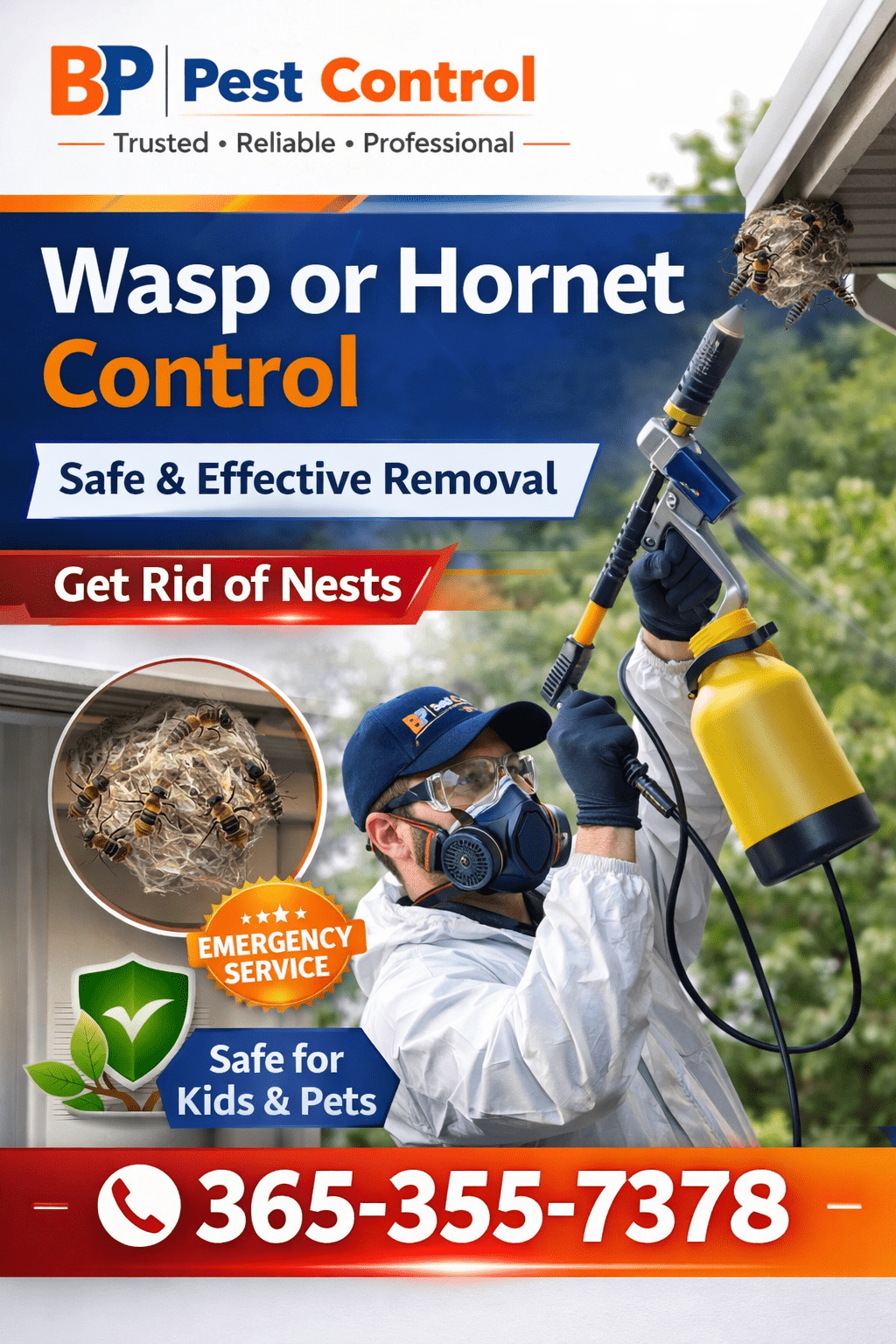
At BP Pest Control, we provide professional Wasp Nest in Roof inspections and removal services throughout Durham Region, Toronto, and the GTA. Our experienced technicians identify the wasp species, locate hidden roof nests, safely remove active colonies, and provide long-term prevention recommendations.
⭐ Read Our 5-Star Google Reviews
Why Roofs Attract Wasps
Understanding why wasps choose roofs helps homeowners reduce future infestations. Roof structures provide excellent shelter while protecting developing colonies from rain, predators, and human activity. Learning why a Wasp Nest in Roof develops can also help you recognize risk factors around your property.
- Warm sheltered spaces
- Limited human disturbance
- Easy access through construction gaps
- Protection from wind and rain
- Nearby food sources
- Dry nesting environments
- Multiple hidden entry points
- Quiet attic spaces
- Secure structural cavities
- Long-term nesting opportunities
Common Roof Areas Where Wasps Build Nests
Professional inspections frequently locate a Wasp Nest in Roof in areas homeowners rarely inspect. Queens search for protected spaces where colonies can grow without disturbance.
Roof Soffits
Soffits remain one of the most common nesting locations because small openings provide easy access while keeping the colony hidden.
Attic Spaces
Warm attics allow nests to develop unnoticed for months while providing excellent protection from outdoor weather.
Roof Vents
Damaged vent screens or openings around roof vents often provide access into attic spaces.
Fascia Boards
Small gaps behind fascia boards create sheltered cavities where queens establish new colonies each spring.
Roof Valleys
Protected roof intersections occasionally support exposed paper wasp nests.
Gutters
Blocked or damaged gutters create sheltered areas that attract nesting queens.
Chimneys
Unused chimneys and damaged chimney caps can provide access to enclosed nesting locations.
Dormers
Roof dormers often contain small construction gaps where wasps gain entry.
Signs You Have a Wasp Nest in Roof
Many homeowners first notice increased wasp activity before discovering the actual nest. Recognizing these early warning signs helps prevent colonies from becoming much larger.
1. Constant Wasp Activity Around Rooflines
One of the most obvious signs of a Wasp Nest in Roof is repeated wasp activity around the same section of your roof.
2. Wasps Entering Small Openings
Worker wasps repeatedly entering one crack or gap usually indicates an active nest hidden inside the roof structure.
3. Buzzing Sounds Inside Walls or Ceilings
A mature colony may produce a noticeable buzzing sound, particularly during warm afternoons.
4. Increased Activity Near Gutters
Wasps often travel along gutters before entering hidden roof cavities.
5. Visible Paper Nest Material
Paper-like grey material protruding from roof structures may indicate an expanding colony.
6. Aggressive Wasps Near Entrances
If wasps become defensive whenever someone approaches part of the home, the nest may be nearby.
7. Activity During Warm Sunny Days
Worker wasps become especially active during warm weather as they search for food and building materials.
8. Large Numbers of Wasps Late in Summer
By late summer, a mature Wasp Nest in Roof may contain hundreds or even thousands of worker wasps.
What Species Build Roof Nests?
Paper Wasps
Paper wasps commonly attach umbrella-shaped nests beneath soffits, roof overhangs, porches, and eaves.
Yellow Jackets
Yellow jackets frequently build concealed nests inside roof cavities, wall voids, and attic spaces.
Bald-Faced Hornets
These hornets often suspend large aerial nests from nearby trees but occasionally build around roof structures.
European Hornets
European hornets commonly establish colonies inside attics, barns, wall cavities, and roof framing.
Residential Roof Wasp Inspections
BP Pest Control provides professional inspections for homeowners experiencing a Wasp Nest in Roof. Every inspection includes a detailed assessment of high-risk roof areas to identify hidden nesting activity before colonies continue expanding.
- Detached homes
- Semi-detached homes
- Townhouses
- Condominiums
- Apartment buildings
- Rental properties
Learn more about our Residential Pest Control Services.
Commercial Roof Wasp Inspections
Restaurants, retail plazas, schools, offices, warehouses, hotels, healthcare facilities, and commercial buildings all benefit from routine roof inspections that identify wasp activity before it threatens employees or customers.
Learn more about our Commercial Pest Control Services.
When Should You Remove a Wasp Nest in Roof?
A Wasp Nest in Roof should be addressed as soon as it is discovered. Waiting allows the colony to continue growing, increasing the number of worker wasps and the likelihood of aggressive defensive behaviour. Early intervention is safer, easier, and helps prevent structural damage and repeated wasp activity around your home or business.
You should schedule professional removal if:
- Wasps are entering your roof through the same opening.
- You hear buzzing inside walls or ceilings.
- The nest is near doors, windows, or patios.
- Children or pets regularly use the area.
- You notice increased wasp activity every day.
- The colony appears to be growing.
- You have experienced wasp stings near your home.
- The nest is difficult or unsafe to reach.
- You have allergies to insect stings.
- You suspect multiple roof nests.
Why DIY Roof Wasp Removal Is Dangerous
Many homeowners attempt to remove a Wasp Nest in Roof using store-bought sprays. Unfortunately, roof nests are often hidden deep inside soffits, attic spaces, fascia boards, or wall cavities where aerosol sprays cannot reach the entire colony.
DIY removal may result in:
- Multiple painful stings
- Incomplete nest removal
- Hidden colonies surviving
- Property damage
- Aggressive swarming behaviour
- Recurring infestations
Professional Wasp Removal Services safely locate the entire colony and remove active nests while helping reduce future wasp activity.
How Professional Roof Wasp Inspections Work
At BP Pest Control, every Wasp Nest in Roof inspection begins with identifying where wasps are entering and determining the species involved. Our technicians inspect the complete roof system rather than focusing only on the visible activity.
Our inspections include:
- Roofline inspection
- Soffit inspection
- Attic inspection
- Fascia board inspection
- Roof vent inspection
- Gutter inspection
- Wall void assessment
- Species identification
- Nest location confirmation
- Long-term prevention recommendations
Learn more about our Professional Pest Inspection Services.
How to Prevent Wasps From Nesting in Your Roof
Preventative maintenance is one of the most effective ways to avoid another Wasp Nest in Roof. Small repairs completed before spring nesting season can dramatically reduce attractive nesting locations.
- Inspect rooflines every spring.
- Repair damaged soffits.
- Seal exterior gaps.
- Replace damaged vent screens.
- Repair loose fascia boards.
- Clean gutters regularly.
- Trim tree branches touching the roof.
- Remove abandoned nests.
- Schedule annual roof inspections.
- Use preventative pest treatments.
Learn more about our Preventative Pest Treatment Services.
Commercial Roof Wasp Management
Restaurants, schools, hotels, retail plazas, office buildings, warehouses, healthcare facilities, apartment complexes, and industrial properties frequently develop roof wasp nests because of large roof systems and multiple entry points. Routine inspections help protect employees, tenants, customers, and visitors throughout wasp season.
Learn more about our Commercial Pest Control Services.
Industrial Roof Wasp Control
Warehouses, manufacturing plants, logistics centres, distribution facilities, agricultural buildings, and industrial properties often have extensive rooflines that create ideal nesting opportunities. Professional inspections help identify colonies before they interrupt operations or create workplace hazards.
Learn more about our Industrial Pest Control Services.
Why Choose BP Pest Control?
BP Pest Control has more than 20 years of experience safely removing every type of Wasp Nest in Roof throughout Durham Region, Toronto, and the GTA. Our technicians identify the wasp species, locate hidden roof colonies, safely eliminate active nests, and provide customized prevention strategies designed for long-term protection.
- 20+ Years of Experience
- Licensed & Experienced Technicians
- Residential Roof Wasp Removal
- Commercial Roof Wasp Removal
- Industrial Wasp Management
- Professional Roof Inspections
- Safe Treatment Methods
- Preventative Maintenance Programs
- Customized Pest Solutions
- 5-Star Google Rated
Frequently Asked Questions
How do I know if there is a wasp nest in my roof?
Frequent wasp activity around your roofline, soffits, gutters, or vents, along with buzzing sounds inside ceilings or walls, are common signs of a hidden roof nest.
Can wasps damage my roof?
While wasps typically do not chew through roofing materials, they can enter through existing gaps and establish colonies inside structural cavities, leading to recurring pest problems.
Are roof wasp nests dangerous?
Yes. Large colonies aggressively defend their nests and may sting anyone who unknowingly disturbs the area.
Should I spray a roof nest myself?
DIY treatment is not recommended because hidden colonies are difficult to reach and disturbing the nest can trigger aggressive swarming.
How can I prevent another roof nest?
Routine inspections, sealing roof entry points, repairing damaged soffits, maintaining gutters, and scheduling preventative pest treatments help reduce future infestations.
Book Your Roof Wasp Inspection Today
If you’ve noticed increased wasp activity around your roofline or suspect a Wasp Nest in Roof, don’t wait for the colony to grow larger. BP Pest Control provides professional inspections, safe nest removal, and long-term prevention programs to protect homes and businesses throughout Durham Region, Toronto, and the GTA.
📞 Book Your Wasp Inspection Today
🏠 Residential Pest Control
🏢 Commercial Pest Control
🏭 Industrial Pest Control
🔍 Professional Pest Inspection Services
🛡️ Preventative Pest Treatments
🐝 Professional Wasp Removal Services
🌐 Visit BP Pest Control
⭐ Read Our 5-Star Google Reviews