Knowing Where Wasps Hide is one of the most effective ways to prevent painful stings and dangerous infestations around your home. Many homeowners assume that wasps only build visible paper nests hanging from roof edges or tree branches, but in reality, most colonies remain hidden in protected areas that are rarely inspected. By the time you begin seeing dozens of wasps flying around your property, an established colony may already contain hundreds—or even thousands—of worker wasps actively defending their queen.
Every spring across Ontario, newly fertilized queen wasps leave their winter shelter and begin searching for safe nesting locations. They look for quiet, dry, protected spaces that are shielded from rain, wind, predators, and frequent human activity. Once a suitable location is found, the queen begins constructing the first paper cells of the colony and lays her eggs. During the first few weeks, the nest remains small and often goes completely unnoticed. However, after the first generation of workers emerges, colony growth accelerates dramatically.
Understanding Where Wasps Hide allows homeowners to recognize potential nesting areas before colonies become dangerous. Many of the locations preferred by wasps—such as wall cavities, attics, soffits, roof vents, sheds, and garages—are difficult to inspect without experience. Hidden nests may continue expanding throughout the spring and summer until someone accidentally disturbs the colony during yard work, home maintenance, or outdoor activities.
One of the reasons wasp infestations are so common is that modern homes provide countless protected spaces that mimic natural nesting environments. Small openings around siding, rooflines, utility penetrations, and vents allow queens to enter structures with ease. Once inside, they are protected from weather and predators, creating ideal conditions for colony development. Because these nests remain concealed, homeowners often mistake increasing wasp activity as normal seasonal behaviour rather than recognizing it as a warning sign of an active infestation.
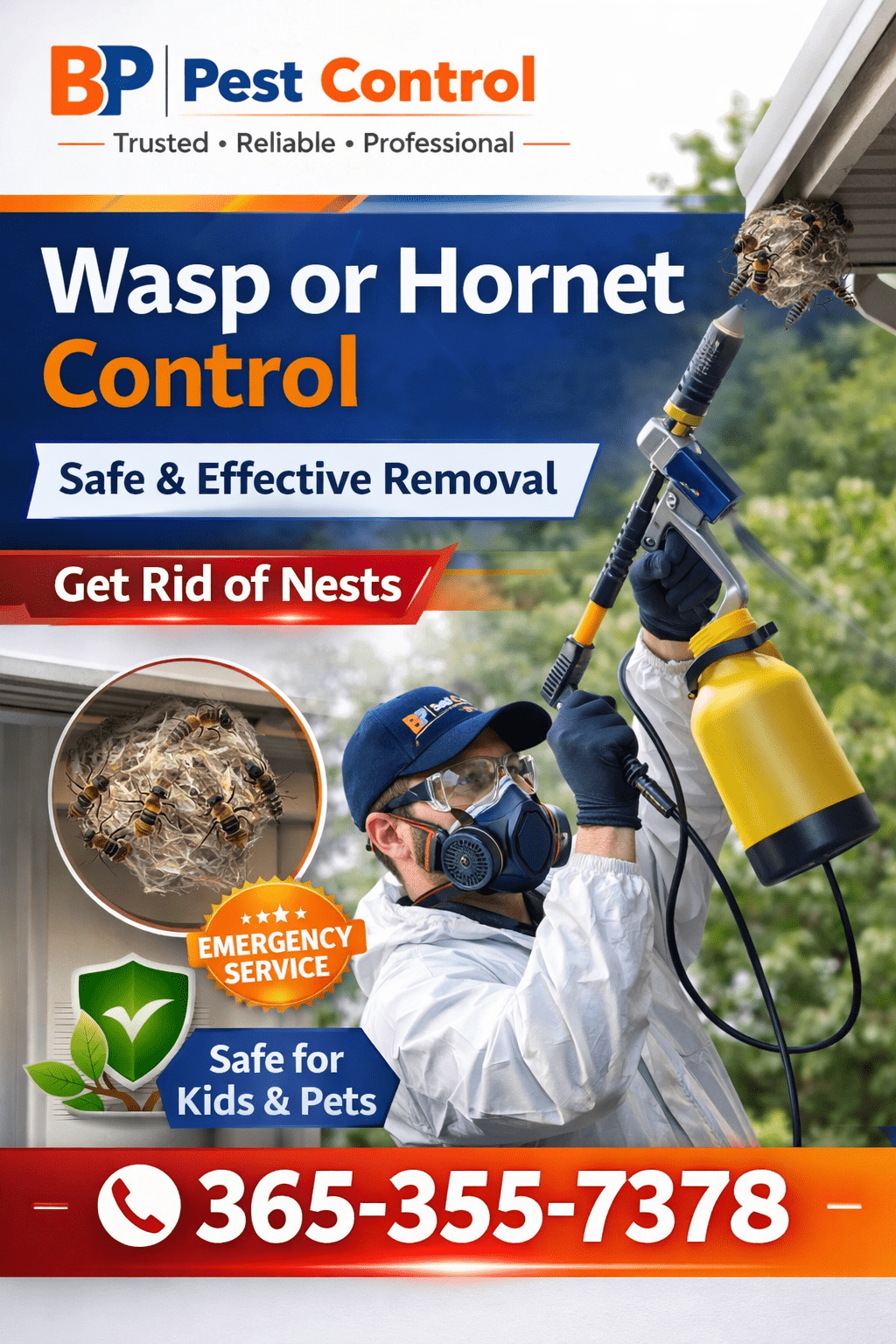
Another challenge is that different wasp species prefer different hiding places. Paper wasps usually build exposed umbrella-shaped nests beneath soffits, decks, pergolas, and porch ceilings. Yellow jackets frequently establish colonies underground or inside wall cavities. European hornets often choose hollow trees, attics, chimneys, and structural voids. Bald-faced hornets typically construct large aerial nests high in trees or attached to buildings. Understanding these behaviours makes it much easier to identify potential nesting locations before colonies become established.
Professional inspections are designed to locate these hidden colonies quickly and safely. Rather than simply searching for visible nests, trained technicians inspect the entire property, identify structural entry points, follow wasp flight patterns, and locate hidden nesting sites that homeowners often overlook. Early detection not only reduces treatment complexity but also minimizes the risk of painful stings and recurring infestations.
At BP Pest Control, we specialize in locating Where Wasps Hide throughout residential, commercial, and industrial properties across Durham Region, Toronto, and the GTA. Our licensed technicians inspect roofs, soffits, attics, garages, wall cavities, sheds, pergolas, gazebos, fences, roof vents, chimneys, and many other high-risk nesting locations. Once active colonies are located, we safely remove them while providing customized prevention recommendations that help stop future infestations.
⭐ Read Our 5-Star Google Reviews
Why Wasps Choose Hidden Locations
Understanding Where Wasps Hide begins with understanding what they need to survive. Queen wasps search for nesting sites that provide protection, warmth, stability, and easy access to food and water. The better the shelter, the greater the chance the colony will survive and continue expanding throughout the season.
Ideal nesting locations typically provide:
- Protection from rain and wind.
- Minimal human disturbance.
- Easy access through small openings.
- Stable temperatures.
- Nearby food sources.
- Access to water.
- Shelter from predators.
- Space for colony expansion.
13 Places Wasps Hide Around Your Home
1. Inside Roof Soffits
Soffits are one of the most common places Where Wasps Hide. Small gaps allow queens to enter roof cavities where colonies remain protected throughout the season.
2. Attics
Attics provide warmth, darkness, and very little disturbance, making them one of the favourite nesting locations for several wasp species.
3. Wall Cavities
Hidden wall voids allow colonies to grow unnoticed for months. Homeowners often first discover these nests after hearing buzzing inside the walls.
4. Roof Vents
Roof vents provide easy access into attic spaces and are frequently used by queens searching for protected nesting sites.
5. Garages
Detached and attached garages often contain exposed rafters, quiet storage areas, and structural openings that attract nesting wasps.
6. Garden Sheds
Sheds offer excellent shelter and are one of the first structures technicians inspect during a professional wasp inspection.
7. Under Decks
Decks create dark, sheltered environments that protect colonies from rain while allowing workers to enter and leave without being noticed.
8. Pergolas and Gazebos
Pergolas and gazebos provide elevated beams and protected corners where paper wasps commonly construct their nests.
9. Fence Posts
Hollow fence posts and damaged wooden fences can conceal surprisingly large colonies during the summer months.
10. Chimneys
Unused chimneys provide quiet, protected nesting areas that remain undisturbed for long periods.
11. Trees and Shrubs
Large shrubs and mature trees provide excellent protection for aerial nests built by hornets and paper wasps.
12. Outdoor Play Equipment
Playsets, swing sets, and climbing structures often contain hidden spaces beneath platforms and roofs that attract nesting queens.
13. Mailboxes and Utility Boxes
Mailboxes, electrical boxes, irrigation boxes, and utility enclosures are frequently overlooked but provide excellent shelter for small developing colonies.
Warning Signs Wasps Are Hiding Nearby
If you’re unsure Where Wasps Hide, these warning signs often indicate that a hidden colony is nearby.
- Repeated wasp activity around one area.
- Buzzing sounds inside walls.
- Wasps entering roof vents.
- Daily activity beneath soffits.
- Wasps disappearing behind siding.
- Individual wasps appearing indoors.
- Sudden aggressive behaviour.
- Increased activity during warm afternoons.
Professional Wasp Inspections
BP Pest Control performs comprehensive inspections to locate Where Wasps Hide before colonies become dangerous. Our technicians inspect roofs, soffits, attics, garages, sheds, wall cavities, pergolas, gazebos, fences, trees, roof vents, and other common nesting areas to identify active infestations and recommend the safest treatment solutions.
Learn more about our Professional Pest Inspection Services.
Residential Wasp Control
Our residential wasp control services help homeowners identify hidden nests, eliminate active colonies, and prevent recurring infestations throughout the spring and summer. We proudly serve homes throughout Durham Region, Toronto, and the GTA.
Learn more about our Residential Pest Control Services.
How to Keep Wasps From Hiding Around Your Property
Understanding Where Wasps Hide is only the first step. Preventing future infestations requires reducing the sheltered spaces that queen wasps look for when establishing new colonies. Regular property maintenance, seasonal inspections, and preventative pest control treatments can significantly reduce the chances of wasps nesting around your home or business.
To make your property less attractive to wasps:
- Inspect your property every spring.
- Seal cracks around siding and foundations.
- Repair damaged soffits and fascia boards.
- Replace damaged roof vents and screens.
- Trim tree branches away from your roof.
- Keep garbage bins tightly sealed.
- Clean outdoor eating areas regularly.
- Remove standing water sources.
- Inspect sheds and garages monthly.
- Schedule annual preventative pest treatments.
Learn more about our Preventative Pest Treatment Services.
Why DIY Nest Searches Often Fail
Many homeowners try to locate hidden nests themselves after noticing increased wasp activity. However, knowing Where Wasps Hide requires experience because many colonies are completely concealed inside structures. Following a few worker wasps rarely reveals the full nest location, and disturbing hidden colonies can quickly trigger aggressive behaviour.
DIY inspections often miss:
- Hidden wall cavity nests.
- Attic infestations.
- Roof vent colonies.
- Underground yellow jacket nests.
- Secondary nests on the same property.
- Structural entry points used by queen wasps.
- Early spring starter nests.
- High roofline infestations.
How BP Pest Control Locates Hidden Wasp Nests
At BP Pest Control, our technicians know exactly Where Wasps Hide because we inspect hundreds of properties every year throughout Durham Region, Toronto, and the GTA. We follow established flight paths, inspect structural entry points, identify nesting behaviour, and carefully examine the areas where hidden colonies are most commonly found.
Our professional inspection includes:
- Roof inspection.
- Soffit and fascia inspection.
- Attic inspection.
- Wall cavity inspection.
- Roof vent inspection.
- Garage inspection.
- Shed inspection.
- Deck inspection.
- Pergola and gazebo inspection.
- Fence inspection.
- Tree inspection.
- Species identification.
- Entry point identification.
- Customized prevention recommendations.
Learn more about our Professional Pest Inspection Services.
Commercial Wasp Inspections
Commercial properties often provide ideal nesting conditions because of large roof structures, loading docks, dumpsters, patios, storage buildings, and landscaped areas. BP Pest Control provides professional wasp inspections for restaurants, schools, office buildings, warehouses, apartment complexes, retail plazas, hotels, healthcare facilities, and other businesses throughout Durham Region, Toronto, and the GTA.
Learn more about our Commercial Pest Control Services.
Industrial Wasp Management
Industrial facilities contain numerous hidden nesting opportunities, including utility buildings, storage yards, manufacturing facilities, loading docks, roof systems, and equipment shelters. Routine inspections help locate colonies before they become a safety hazard for employees and contractors.
Learn more about our Industrial Pest Control Services.
Why Choose BP Pest Control?
For more than 20 years, BP Pest Control has helped homeowners and businesses identify Where Wasps Hide and safely eliminate active infestations. Our licensed technicians provide detailed inspections, professional nest removal, and customized prevention plans designed to reduce recurring wasp activity throughout Durham Region, Toronto, and the GTA.
- 20+ Years of Experience
- Licensed & Experienced Technicians
- Residential Wasp Control
- Commercial Wasp Management
- Industrial Pest Control
- Professional Property Inspections
- Hidden Nest Detection Specialists
- Preventative Treatment Programs
- Customized Pest Management Plans
- 5-Star Google Rated
Frequently Asked Questions
Where do wasps usually hide around a house?
Wasps commonly hide in soffits, attics, wall cavities, roof vents, garages, sheds, under decks, pergolas, gazebos, chimneys, fence posts, trees, and underground burrows.
How can I tell if wasps are hiding in my walls?
Buzzing sounds inside walls, wasps entering small cracks, and repeated activity around the same exterior location often indicate a hidden colony.
Do all wasps build visible nests?
No. While paper wasps often build exposed nests, yellow jackets and other species frequently establish hidden colonies inside structures or underground.
What time of year do wasps start hiding and building nests?
Queen wasps begin searching for nesting locations in early spring. Colonies continue growing throughout the spring and summer, reaching their largest size by late summer.
Should I search for a hidden wasp nest myself?
If you suspect a hidden nest, professional inspection is the safest option. Attempting to locate or disturb a concealed colony can provoke aggressive wasps and increase the risk of multiple stings.
Book a Professional Wasp Inspection Today
If you’ve noticed increased wasp activity but aren’t sure Where Wasps Hide on your property, BP Pest Control can help. We provide professional inspections, safe wasp nest removal, and preventative treatment services for residential, commercial, and industrial properties throughout Durham Region, Toronto, and the GTA.
📞 Book Your Wasp Inspection Today
🏠 Residential Pest Control
🏢 Commercial Pest Control
🏭 Industrial Pest Control
🔍 Professional Pest Inspection Services
🛡️ Preventative Pest Treatments
🐝 Professional Wasp Removal Services
🌐 Visit BP Pest Control
⭐ Read Our 5-Star Google Reviews