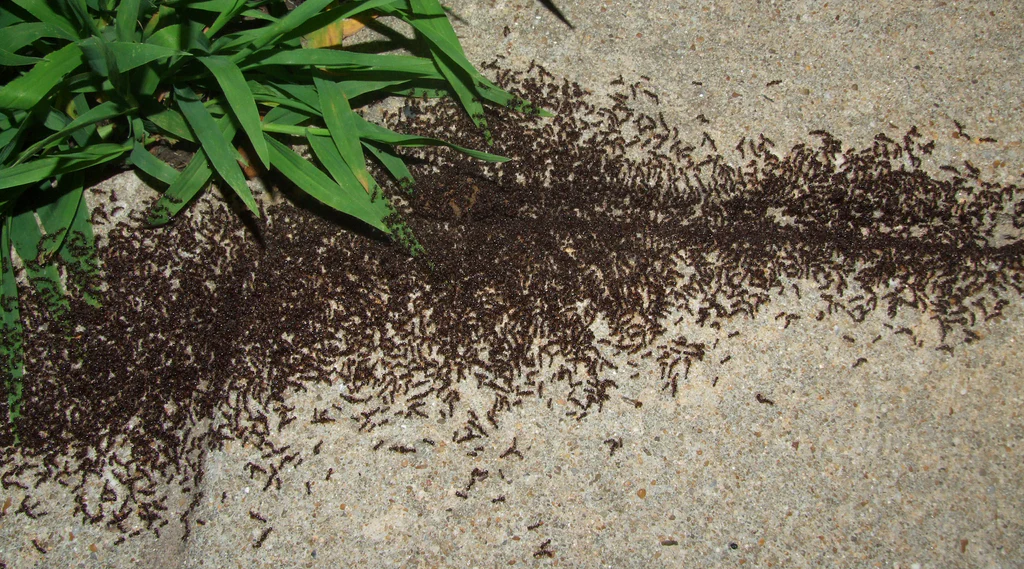
Black Pavement Ants Easy Ways to Identify and Get Rid of Them Fast
Black pavement ants are small dark bugs that show up in many homes and yards. They look almost completely black with slightly lighter legs and antennae. Their size is tiny, often smaller than a sesame seed, which makes them hard to notice at first glance. Unlike carpenter ants that chew wood and leave sawdust, pavement ants black do not damage your home’s structure. They mostly stay on or under hard surfaces. These ants originally came from other countries but now live across Canada in places like Toronto, Oshawa, Vaughan, and beyond. People sometimes confuse them with odorous house ants that give off a bad smell when crushed, pharaoh ants that are very light-colored and tiny, or ghost ants that appear almost see-through. But pavement ants black have unique features like fine lines on their head and two small spines near the back, best seen with a close look or magnifying tool. They live in large groups with one queen laying eggs and many worker ants searching for food. The workers move in slow, steady lines rather than rushing like flying ants that appear with wings during warm seasons. In Canada you will find many ant varieties such as red ants, fire ants that can sting painfully, or carpenter ants that are bigger. Pavement ants black are gentler and rarely bite, and if they do it feels like a light pinch, nothing like a red ant bite or painful fire ant bites. They search for sweet spills, greasy food bits, dead insects, or even pet food left out. Children can easily see them marching across kitchen floors or sidewalks in neat rows. To tell them apart from other black ants in house or tiny ants inside house, check for small dirt piles that look like little volcanoes near cracks in pavement or concrete. They eat a wide range of things including plant sap, tiny bugs, and crumbs from snacks. In warmer months they become more active in cities and suburbs alike. If you spot ants in house trailing slowly to food, it is likely these common visitors. Where Do Black Pavement Ants Build Their Nests? Pavement ants black prefer hard, flat places close to people. You often find their nests under sidewalks, driveways, patios, or any paved surface, which is how they got their name. The black color helps them hide against dark concrete or soil. In your yard look for small mounds of dirt pushed up near stones, bricks, or pavers these are nest entrances. Inside homes they enter through the tiniest gaps in foundations, doors, windows, or even around pipes. Unlike carpenter ants in house that tunnel into wooden beams and cause real harm, pavement ants black stick to soil or spaces under slabs and rarely hurt buildings. During cold Canadian winters they move deeper underground to survive, but when spring arrives large numbers come out. Sometimes you see groups fighting other ant colonies right on the pavement, creating small battles of ants moving back and forth. The winged ants or flying ants you notice in summer are the same species preparing to start new colonies far away. In urban areas like Toronto, Markham, or Pickering these ants do very well because of lots of hard surfaces and food sources. Their colonies can hold thousands of ants all working as a team. The queen stays safe deep inside while workers travel long distances for supplies. If you have black ants in my home check wet spots like under sinks or near leaky faucets since they need moisture. Compared to fire ants that deliver strong stings or red ants that bite hard, pavement ants black cause little trouble. But they can bring dirt or germs indoors so it is smart to keep them out. Many searches for carpenter ants in the house, ants carpenter ants, or what do carpenter ants eat mix them up, but pavement ants black stay smaller and love ground-level spots. In humid places like Durham Region or Newmarket they appear more often after rain. Nests can hide under grass too, creating uneven bumps in lawns. Unlike very small red ants or tiny reddish ants that stay super small, pavement ants black look darker and slightly larger. They sometimes tend aphids on plants to collect sweet honeydew. In kitchens they head straight for dropped sweets or oils. Clear Signs of Black Pavement Ants Around Your Home The easiest way to know you have pavement ants black is seeing straight lines of small dark ants moving slowly across floors, counters, or tables toward food or water. Unlike quick small ants or huge ants in house, these take their time and follow the same path repeatedly. Outdoors watch for those volcano-shaped dirt piles next to cracks in concrete or near your foundation. Inside you may notice them in pantries, under appliances, around pet dishes, or even inside electrical outlets following wires. Searches for signs of white ants, carpenter ants destruction, or how to get rid of pharaoh ants often point to different issues, but pavement ants black leave no sawdust or wood damage – just trails and small dirt heaps. In spring large swarms gather and sometimes fight, leaving piles of dead ants on pavement. If you crush one and smell nothing unusual it is probably not odorous house ants. For homes in Oshawa, Whitby, or Richmond Hill damp basements or crawl spaces draw them in during wet weather. Seeing winged ants or flying ant indoors usually means a mature nest is very close, perhaps in walls or under floors. They do not give off strong odors like citronella ants or ghost ants. Bites happen rarely and feel minor, far less serious than bit by a red ant, bit by fire ants, or fire ant insect stings that swell. Many ask do carpenter ants bite, do ants bite, or does carpenter ants bite with pavement ants black the answer is almost never. Tiny red ants or small tiny red ants differ in color and behavior. If ants climb