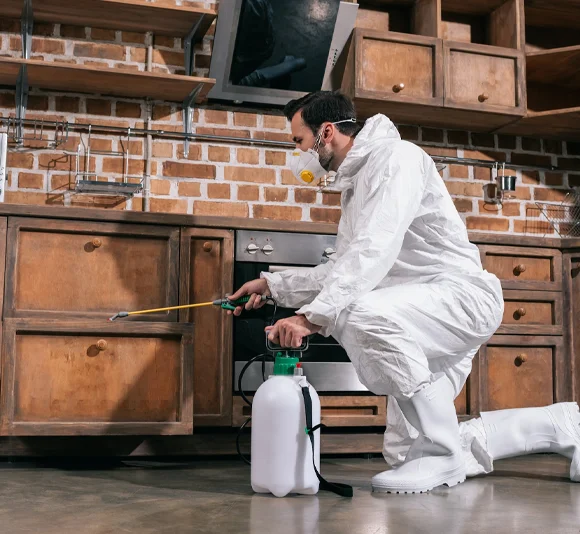
What Does a Bed Bug Exterminator do
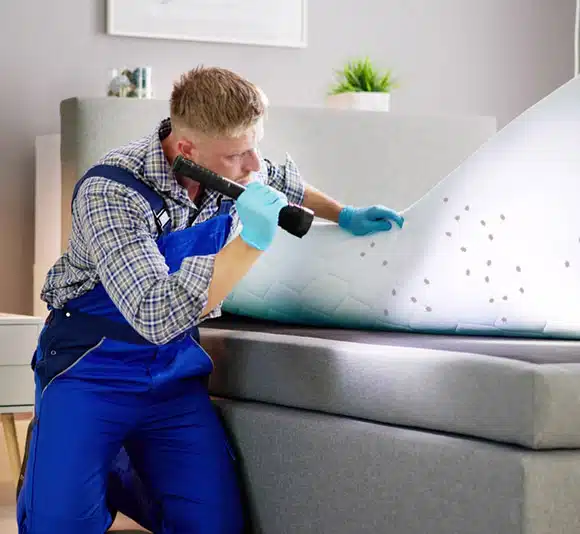
Bed bugs are a common and persistent problem. They can infest homes, hotels, and even public transportation.These tiny pests are not just a nuisance. They can cause allergic reactions, sleep disturbances, and significant stress. Professional bed bug extermination is often the most effective approach. But what does a bed bug exterminator do exactly? Bed bug exterminators are trained professionals. They specialize in identifying, treating, and preventing bed bug infestations.Their work involves thorough inspections, customized treatment plans, and follow-up services. They use a variety of methods, from heat treatments to chemical applications. The Bed Bug Challenge Bed bugs present a unique challenge. They are small, nocturnal creatures that feed on human blood. Their bites often cause itching and discomfort, which can be disturbing and affect sleep quality. These pests have a knack for hiding. They nestle into cracks, furniture seams, and even electrical outlets. Their elusive nature makes them hard to spot and even harder to eliminate without expertise. Moreover, bed bugs reproduce quickly. A female can lay hundreds of eggs during her lifetime. This rapid reproduction can lead to large infestations in a short time. Therefore, tackling a bed bug problem requires swift and comprehensive action. Professional intervention ensures thorough treatment and reduces the chances of re-infestation, making it essential for effective bed bug management. What Does a Bed Bug Exterminator Do? A bed bug exterminator is a specialist in bed bug removal. They are trained professionals who focus on identifying and eradicating bed bug infestations. These experts start with a detailed inspection. This helps them locate the bed bugs and assess the severity of the infestation. Skilled at using various techniques, they ensure an accurate identification. An essential part of their role involves educating clients. Exterminators teach clients about bed bug behavior and how to prevent future invasions. This education is crucial for long-term pest control. Following the inspection, exterminators develop a customized treatment plan. They tailor this plan to the specific needs and extent of the infestation. The goal is effective eradication with minimal disruption. The extermination process often involves several methods: After treatment, exterminators follow up to ensure success. They might offer additional support, depending on the situation. Thus, their work is thorough and comprehensive, providing effective pest control solutions. Initial Inspection and Identification The initial inspection is a critical step. Exterminators use this phase to determine the infestation’s scope. It involves careful examination of common bed bug hideouts. During an inspection, professionals use various tools. These may include flashlights, magnifying glasses, and detection kits. Some even employ trained canine units for enhanced detection accuracy. They look for telltale signs of bed bug presence. These signs include blood spots, fecal stains, and shed skins. Discovering these indicators is vital to planning an effective strategy. Exterminators also inspect areas such as beds, furniture, and carpet edges. Bed bugs tend to hide in these places, making thoroughness essential. They must evaluate the infestation comprehensively to decide on the best action. This detailed inspection forms the foundation for the treatment plan. A precise identification ensures that exterminators tackle the root of the problem. Proper identification is the first step toward successful bed bug removal. Developing a Customized Treatment Plan Once the inspection is complete, exterminators craft a customized treatment plan. This plan is unique to each situation. It focuses on addressing the infestation effectively and efficiently. The chosen treatment depends on several factors. These include the infestation’s size, location, and the client’s preferences. Exterminators carefully consider each aspect to tailor the treatment accordingly. Various methods may be employed in combination. This multifaceted approach increases the likelihood of complete eradication. Effective plans blend different methods for optimal results. During this process, exterminators communicate openly with clients. They explain the proposed plan and address any questions. Client involvement is crucial in ensuring the plan’s success and cooperation. A well-designed treatment plan is essential. It guides the extermination process and maximizes its effectiveness. Tailored approaches are key to successful bed bug elimination and lasting peace of mind. Heat Treatments Explained Heat treatments are a favored method for dealing with bed bugs. This approach involves raising the temperature in affected areas. High temperatures are lethal to bed bugs, targeting all life stages. This method offers several advantages. It is non-toxic and leaves no chemical residues. Thus, it is an eco-friendly choice for many seeking bed bug removal. Heat treatment is efficient. It requires less time than traditional methods, which is appealing to busy clients. Exterminators use specialized equipment to ensure consistent and effective heating. However, heat treatment demands precision. Proper equipment and expert handling are crucial. Trained exterminators ensure safety during the process, minimizing risks. Chemical and Non-Chemical Treatments Chemical treatments often complement other methods. Specialized insecticides are used to target and eliminate bed bugs. Exterminators select the most effective chemical solutions for each case. Non-chemical treatments may include the use of mechanical methods. These methods do not rely on chemicals, making them a safer option for some. Such approaches are environmentally friendly and effective. Here are some common methods used: Chemical treatments require expert application. Exterminators handle these substances carefully to ensure safety. They adhere to regulations, protecting both the client and environment. Non-chemical methods often support chemical treatments. Together, they provide a comprehensive approach. This combination can be more effective than either method alone. Mechanical and Physical Methods Mechanical and physical methods are hands-on approaches to bed bug extermination. These methods are integral in comprehensive pest control strategies. Vacuuming is a common method used. Exterminators vacuum surfaces to remove visible bed bugs. This immediate action helps control the population quickly. Steam cleaning offers another effective solution. High-temperature steam kills bed bugs on contact. It penetrates fabrics and crevices where bed bugs hide, providing a thorough clean. Physical barriers, such as mattress encasements, play a role too. Encasements trap bed bugs, preventing them from spreading. They are an essential tool for maintaining a bed bug-free environment. Together, these methods address different infestation aspects. They complement chemical treatments, offering a multifaceted approach. This