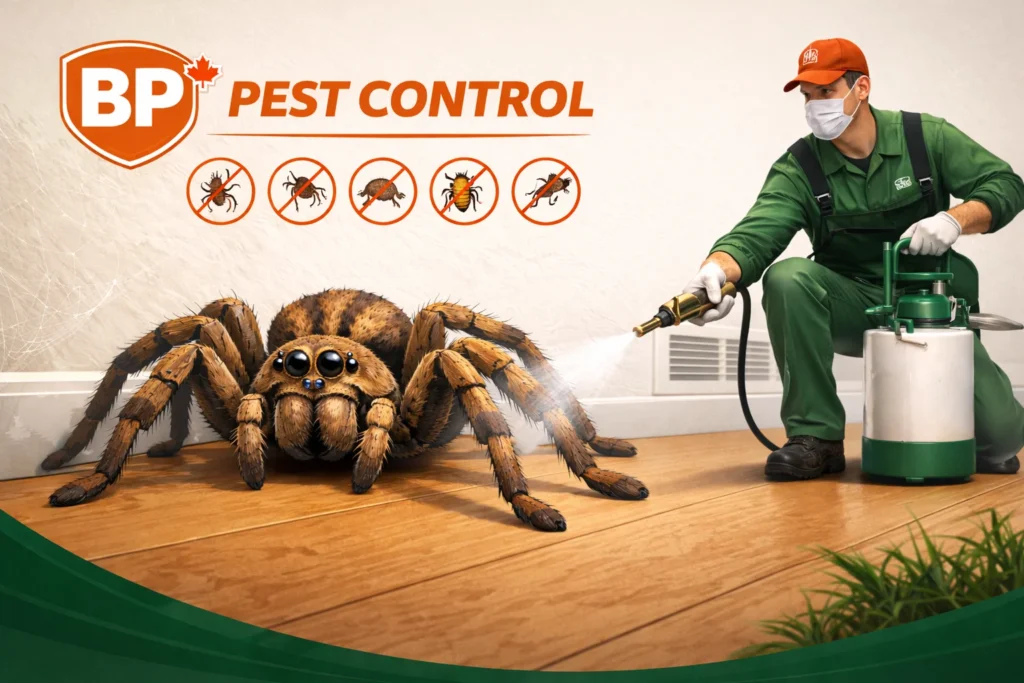
Brown Recluse Safe Ways to Spot and Handle This Spider
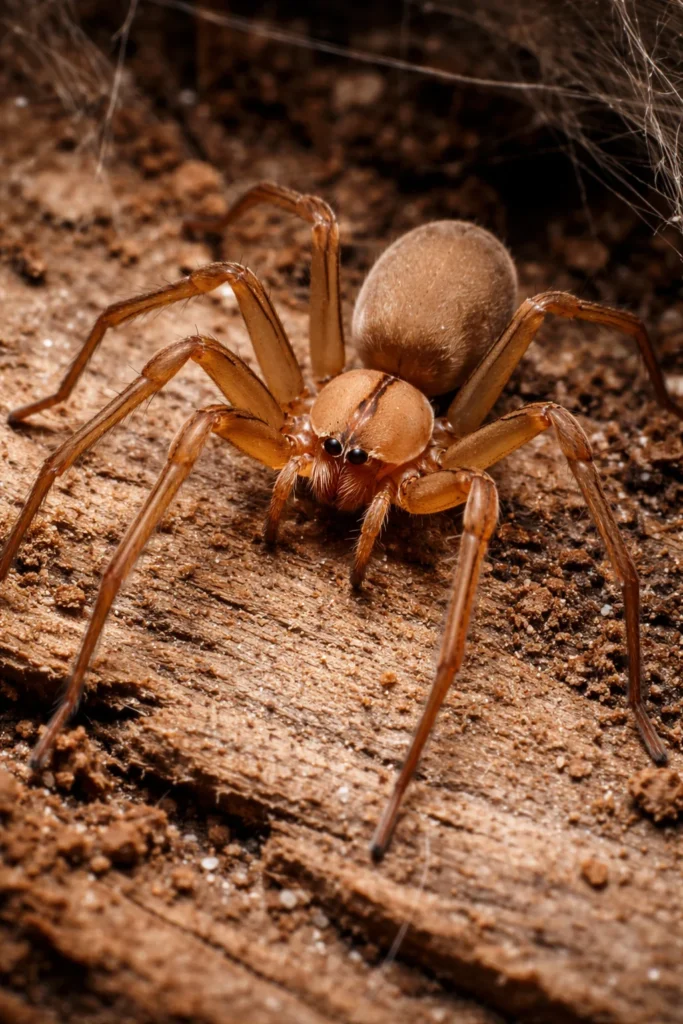
The brown recluse spider stands out with its light brown body and a dark mark shaped like a violin on its back. This mark helps people know it right away. These spiders like to hide in quiet spots such as under boxes or in old shoes. Many folks worry about them because their bite can cause trouble, but they only bite when they feel scared. In places like homes or sheds, you might find them if things sit still for a long time. Keeping areas clean cuts down on hiding spots. Simple steps, like shaking out clothes before wearing them, keep you safe. These spiders live mostly in warm areas, but sometimes show up in cooler spots through travel. If you think you see one, look close at the eyes. They have six eyes in pairs, not eight like many spiders. This fact sets them apart from look-alikes. People often mix them up with harmless ones, leading to needless fear. Learning the real signs calms worries. For example, their legs lack spines but have fine hairs. Bodies stay small, about the size of a quarter. Colors range from tan to dark brown. They move slow and avoid light. At night, they hunt for food like insects. Understanding these habits helps in spotting them early. Safe handling means not touching them directly. Use a jar to catch and release outside if possible. But for many, calling help makes sense. Spiders play a role in controlling bugs, yet some pose risks. The brown recluse fits into a group of pests that need careful watch. Related ones include the wolf spider, which looks bigger and hunts on the ground. Unlike the recluse, wolves chase prey actively. Both can enter homes through cracks. Sealing doors and windows blocks entry. Regular checks around the house spot issues fast. In yards, watch for ground beetle or click beetle too, as they share spaces. Pests like carpet beetle damage fabrics inside. Keeping things tidy reduces all these. Birds such as starling bird or pigeon might nest nearby, drawing more bugs. Handling one pest often links to others. For full peace, think broad. Simple habits build safety. Where Brown Recluse Spiders Like to Live? Brown recluse spiders pick warm, dry spots to call home. In nature, they hide under rocks or logs. But in human areas, they slip into attics, basements, or garages. Cardboard boxes draw them because of the dark folds. Old clothes piles or unused furniture offer perfect cover. They avoid busy places, sticking to quiet zones. In some regions, they thrive more, like in southern parts where heat suits them. But travel can bring them north, even to spots like pest control Ottawa areas. Cold winters make it hard for them, yet heated homes help survival. Look for them in storage rooms or behind walls. They do not climb well, so ground level sees more activity. Related pests share habits. For instance, ground hog digs burrows outside, while squirrel climbs trees but enters attics. Both can carry fleas that attract spiders. Inside, house mouse leaves droppings that lure insects, then spiders follow. Keeping rodents out cuts spider food. Bugs like indian meal moth in pantries add to the chain. Simple seals on food stop this. Outdoors, dock spider near water differs from recluse dry prefs. But black and white wasp or carpenter bee bore into wood, making entry points. Fixing holes matters. In gardens, post hole beetle might appear, but recluse stays hidden. People search for pest control near me when spotting any. Local help knows area pests. For example, in pest control ajax , cold snaps affect bugs. Yet spiders adapt. Watch for signs like irregular webs or shed skins. Early finds prevent big issues. Safe living means regular cleans. Vacuum corners and use sticky traps. These catch spiders without harm. Natural ways, like peppermint oil, repel them. But for sure results, pros handle it. They check hidden spots you miss. Thinking about all pests together helps. Like, rat or black rat control links to spider reduction. Pack rats hoard items that hide spiders. Clear clutter for double win. Birds like pigeon drop seeds drawing ants, then spiders. Netting keeps them off. Overall, smart choices create safe spaces. Signs of a Brown Recluse Bite and What to Do? A brown recluse bite starts small, like a pinprick. Then, it might turn red and swell. Some feel itch or pain right away. Over hours, a blister forms, and skin around it dies, making a sore. Not all bites go bad; many heal fine. But watch for fever or nausea, signs of bigger trouble. Kids or older folks face more risk. Clean the spot with soap and water first. Use ice to cut swelling. Avoid popping blisters. See a doctor if it worsens. They can give medicine to help. Myths say bites always cause big scars, but truth is, most stay mild. Confusing with other bites happens. For example, fire ants or red ants cause bumps too. Centipede bites sting sharp. Knowing differences aids quick care. Spiders bite in defense, not attack. Shaking items before use prevents surprises. In homes, german cockroach or earwig share spaces, but bites differ. Cockroach killer sprays might affect spiders too. But targeted ways work best. For pests like termites, damage shows slow, unlike quick bites. Linking controls helps. People often seek exterminator for worries. Local searches like pest control Toronto find help fast. Pros identify true threats. They handle wasp nest or wasp nest removal safely. Similar care for spiders. Natural remedies include vinegar sprays. But for bites, medical advice rules. Rest and elevate the area. Drink water to stay well. Avoid tight clothes near bite. Healing takes days to weeks. Scars fade over time. Prevention beats cure. Teach family to spot risks. Simple rules keep everyone safe. Other pests like possum or groundhog dig outside, but indoors, focus on small cracks. Araignée is French for spider, showing global worry. In pest control Scarborough, experts deal with varied bugs.