Ant Control Near You Trusted, Safe & Fast Local Help Now
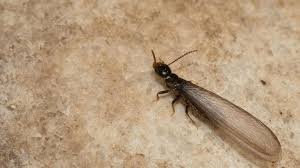
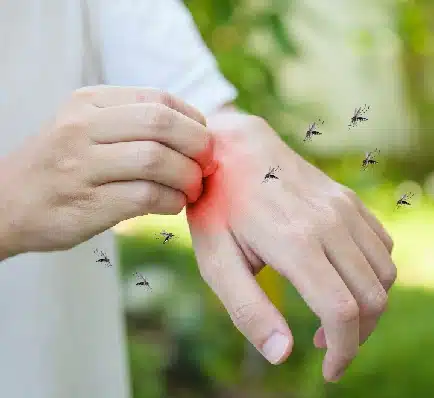
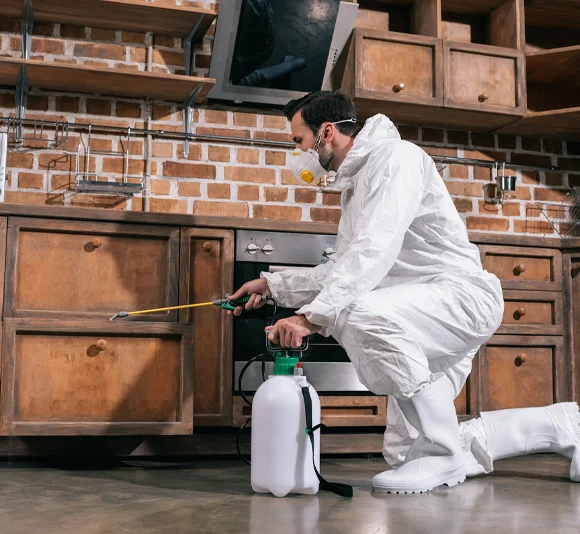
When tiny insects show up in your kitchen, the first thought is simple: you want them gone, and you want it done safely. This guide uses easy words and calm steps so any reader can follow along. It explains how to spot signs, stop the source, and choose safe fixes that work in real homes across Canada. You will learn the difference between carpenter ant damage and crumbs chased by pavement ants, what to do about tiny ants inside house near the sink, and why smells from bins can draw odorous house ant at night. You will also see how to handle ant with wings during warm days, how to check wood for moisture before those carpenter ants in house settle in, and how to plan aftercare so they do not return. Good help starts with a short check of food, water, and shelter. Store dry food in jars, wipe counters, and fix drips. Seal the gaps you can reach with metal mesh. Place secure traps where trails run, not where kids or pets play. For bigger issues, a local pro can map trails, find nests, and seal entries. You can ask BP Pest Control for a simple plan that you can keep using after service, so your home stays calm. This guide uses plain talk to earn your trust, to put your safety first, and to offer steps that fit your space and budget without stress. Know your invader: common ant varieties and look-alike pests in Canada Names matter because each species calls for a different plan. Wood chewers like carpenter ant carve galleries in damp timber; kitchen foragers like pharaoh ants and thief ants chase sweets and oils; soil mound makers like fire ant can sting. If you see large black ants in house or ask “what do carpenter ants look like,” check for a smooth, rounded thorax and one small waist node; what do big ants look like depends on the species, but big, slow walkers near damp wood may be carpenter ants with wings during swarm season. Small brown trails near the stove may be ghost ants or odorous house ant lines that smell when crushed. Red, biting ones could be red ants, bitten by a red ant can leave a welt, while “fire ant insect” searches fit stinging species; “fire ants canada,” “fire ants ontario,” and “ants fire ants” are local queries people use. Patio cracks often host pavement ant or pavement ants black; driveway invasions inspire searches like ants pavers or exterior ant control. Pantry pests can confuse things: the indian pantry moth (learn the indian pantry moth life cycle) and pantry moth are not ants, but their larvae show up near dry food. Big buzz online about giant hornet asian Ant , giant hornet insect, or giant asian Ant is a hornet topic, not ants, yet people mix terms, so this guide keeps the focus on ants while noting look-alikes. Spot the signs early: trails, wings, wood dust, and kitchen clues Fresh trails show up along edges: baseboards, counter lips, and the wall behind the trash. Check at night with a flashlight. If you see tiny workers carrying crumbs, you may be dealing with tiny little ants, tiny red ants, or small brown ant. A sweet smell when crushed hints at odorous house ants, while a quick, jerky gait can point to acrobat ant. Sheds of wings near windows suggest winged ants or flying ants; a quick search like flying ant ontario or plain flying ant can help you compare pictures. Fine sawdust (frass) near baseboards, windows, or under decks can mark carpenter ants in the house. If you wonder “how to identify carpenter ants,” look for evenly curved thorax and a heart-shaped head on big workers; guides for “how to get rid of carpenter ants,” “how do u get rid of carpenter ants,” or “how to get rid of large ants” often start with fixing moisture. People also ask “does carpenter ants bite” or “do carpenter ants bite”; large species can pinch but they are not like stinging fireant. Kitchen confusion includes black ants in my house, black ants in my home, and small ant in home around pet bowls. Outdoor mounds or cracks bring searches like ants and flying ants and red ants in house. If you feel a sting, terms like bit by a red ant, bitten by a red ant, bite by red ant, bit by fire ants, or bitten by a fire ant can help you look up first aid, especially for sensitive skin. Safe steps that work: clean, seal, dry, and place secure controls Control should be safe, kind, and clear. Start with food: put cereal, flour, and snacks in jars; wipe oils; rinse bottles before the bin. Keep lids tight so smells do not pull trails back each night. Fix drips under sinks and near fridges; dry wood keeps carpenter ants from digging. Seal gaps around pipes and wires with steel wool and caulk. On patios, sweep crumbs in cracks to limit pavement ant. If you search ant pest control, ant pest removal, ant extermination, or ant and insect control, you will see plans that mix cleaning with targeted action. Place gel baits or stations where lines run, but away from kids and pets. Outdoor lines near fences or sheds may need weather-tough stations; indoor trails near stoves need low-odor options. For stubborn nests, look for ant control exterminators or ant exterminator help. If you need fast booking, try ant exterminator near me. In wood-risk homes, carpenter ant services or carpenter ant pest control add sealing and moisture checks. If the queen shows up in a swarm (carpenter ant queen or carpenter ant queen searches are common), do not panic; collect a sample for ID. If you manage a shop or café, plan exterior ant control along walls and drains. For simple, friendly help, BP Pest Control can map trails, seal entries, set safe stations, and leave you a short checklist you can keep on