What are bedbugs
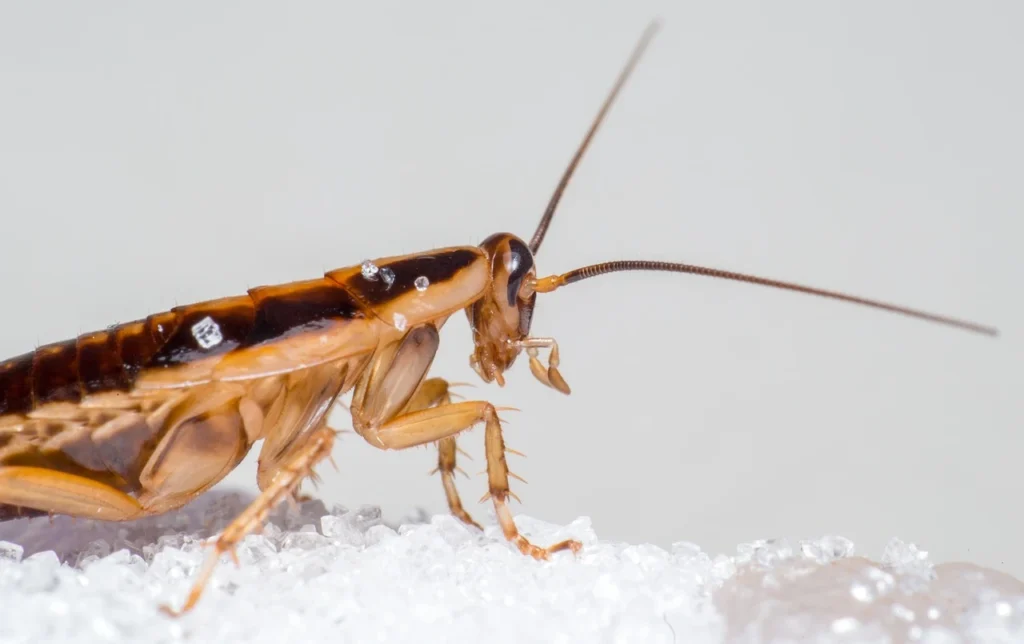
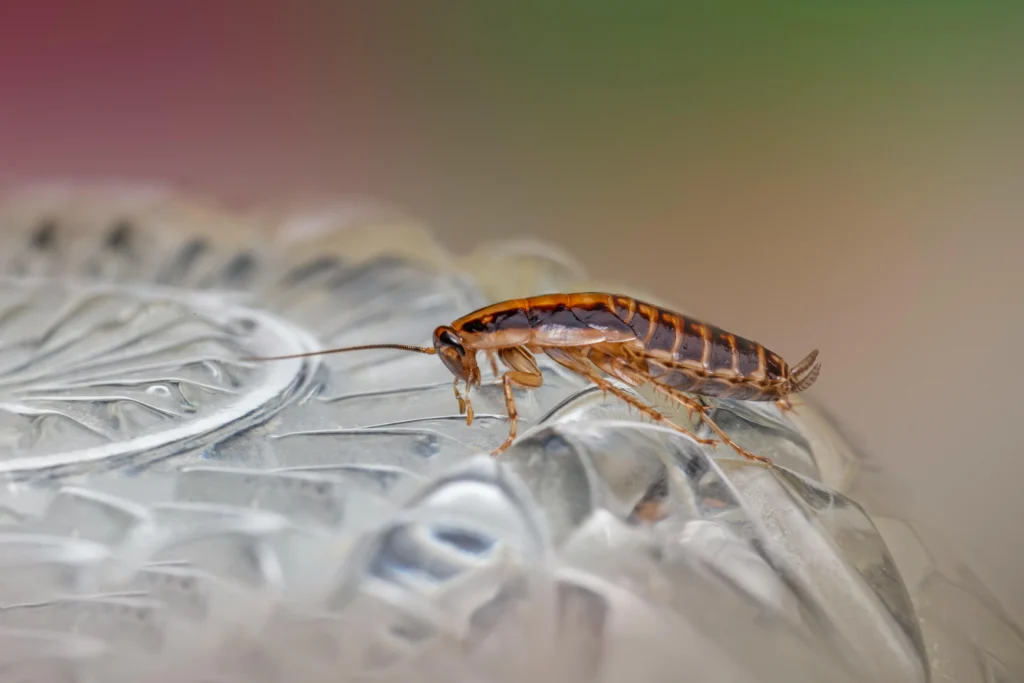
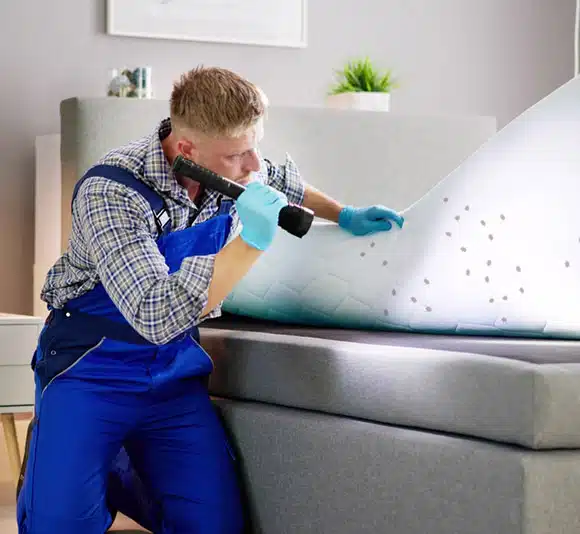
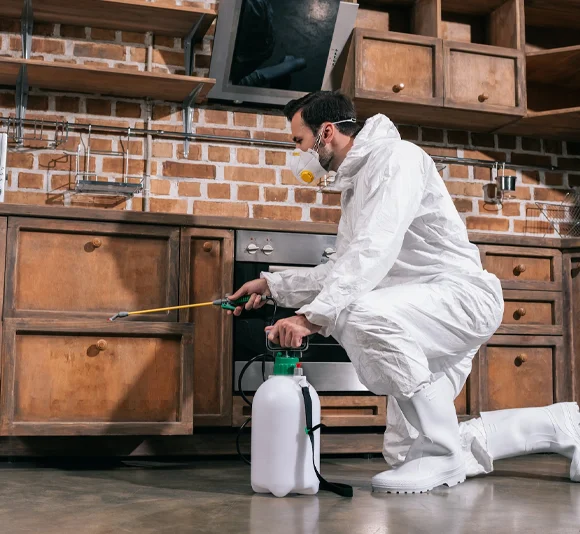
What Are Bedbugs And The Dangerous Infestation and How to Defeat Them Bed bugs are tiny insects that live in beds and feed on blood. They are about the bed bug length of a grain of rice and have a bed bug size that makes them hard to see. Bed bugs look like minor brown bugs. Bed bug signs include tiny bites on your skin and dark spots on sheets. What are the causes of bed bug infestation? 🔗 Bed bugs can infest your home through used furniture, travel luggage, or second-hand clothes. They hide in cracks and crevices. Dirty environments with clutter offer them hiding places. Poor hygiene can also attract them. Regular cleaning and checking for signs can help keep them away. Types of pest control methods for bed bugs. There are several pest control methods for getting rid of bed bugs: Each method helps control and eliminate bed bug infestations. Different types of pest control methods for bed bugs Here’s a comprehensive comparison table for different bed bug pest control methods to help you decide the best treatment option for your home. Factors like effectiveness, preparation needed, and suitability for specific residents are considered. This table also includes a price estimate for professional treatments in Toronto, GTA, Canada, for a standard 3-bedroom house. Pest Control Method Spray Treatment Heat Treatment No-Chemical (Biological/Natural) Powder Dusting Treatment Pest Control Method Spray Treatment Heat Treatment No-Chemical (Biological/Natural) Powder Dusting Treatment Effectiveness High High High Low Time Required to Show Results 30 days 1 day 21 days 30 days Residual Effect of Pesticide 90 days n/a 90 days 180 days Use of Chemical Pesticide Yes No No Yes Preparation Needed Yes Yes No No Leave Premises Yes Yes No No Advisable for – Pregnant No Yes Yes No – Babies No Yes Yes No – Sensitive Residents (Chemicals, Immuno-compromised) No Yes Yes No – Senior Citizens No Yes Yes Yes Key Points to Consider This comparison should guide you toward the treatment that best suits your needs and household conditions. Spray treatment method to get rid of bed bugs The spray treatment method is one of the most common and effective ways to eliminate bed bugs. It involves applying chemical or insecticidal sprays directly to areas where bed bugs are known to hide, such as mattresses, cracks, crevices, baseboards, and furniture. Here’s how the spray treatment method works, its pros and cons, and some critical considerations: How Spray Treatment Works Preparation Application Time for Results Post-Treatment Advantages of Spray Treatment Disadvantages of Spray Treatment Safety Tips for Spray Treatments Cost of Spray Treatment The cost of professional spray treatment in areas like Toronto GTA, Canada, typically ranges between $300 and $500 for a standard 3-bedroom home. The price can vary depending on the infestation’s severity, the property’s size, and the company’s service rates. How Do Bed Bugs Nature And Heat Treatment Spray treatments are an effective and fast way to deal with bed bug infestations, but it is crucial to weigh the pros and cons, especially regarding the use of chemicals and preparation required. Alternative treatments like heat treatments or natural methods may be a better option for households with vulnerable residents or those sensitive to chemicals. How Many Times Does an Exterminator Have to Spray for Bed Bugs Typically, exterminators must perform 2 or 3 spray treatments to fully eliminate bed bugs and the infestation from your home. This depends on factors like the severity of the infestation, the size of your home, and how well the bed bugs have spread. In most cases, bed bugs are eradicated after the first treatment. However, a follow-up treatment is needed in about 5% of cases to ensure complete elimination. Recommended Bed Bug Spray and Steam Treatment Spray and steam treatments are effective for bed bug extermination but may not suit certain residents. It’s important to consider the following groups: In these cases, alternative methods, such as heat treatments or natural bed bug control methods, may be recommended to ensure safety. Pros of Spray and Steam Treatment Cons of Spray and Steam Treatment In summary, spray treatments are generally very effective for bed bug control, often requiring only 2 or 3 sessions. However, before choosing this method, it’s essential to consider residents‘ preparation, health, and safety carefully. How Heat Treatment for Bed Bugs Works Heat treatment is one of the most effective ways to eliminate bed bugs and their eggs. Bed bugs are highly sensitive to heat and die when exposed to temperatures of 50°C (122°F) or higher. This biological fact is the foundation of heat treatment for bed bugs. Raising Room Temperature Treatment Duration Preparation for Heat Treatment Is Heat Treatment the Most Effective Professional Bed Bug Extermination Yes, heat treatment is considered the most effective bed bug treatment available. It provides instant relief and complete elimination of the infestation in just one day without using chemical pesticides. It is often recommended for quick results and in homes where residents are concerned about the health risks of chemical pesticides. Why Doesn’t Everyone Choose Heat Treatment While heat treatment is highly effective, the cost is the primary reason only some choose it. As mentioned in the comparison table, heat treatment is expensive. However, if you can afford it, heat treatment is highly recommended due to its effectiveness and the fact that it doesn’t rely on chemicals. Another consideration is the risk of property damage and the potential for an unsuccessful treatment if experienced professionals don’t execute the procedure carefully. Therefore, choosing a reliable pest control company with experience in heat treatment is crucial. Pros and Cons of Heat Treatment Pros Cons Who Should Consider Heat Treatment Heat treatment is especially recommended for individuals who: Alternative Treatment No-Chemical (Biological/Natural) Pest Control Treatment Another highly effective treatment for bed bugs is biological/natural pest control, specifically using Aprehend, a biopesticide developed by Penn State University’s Department of Entomology. How It Works Pros Cons Powder Dusting Treatment Powder dusting uses a powder called Drione, applied to