Trusted Guide Spiders in Canada and Safe Control
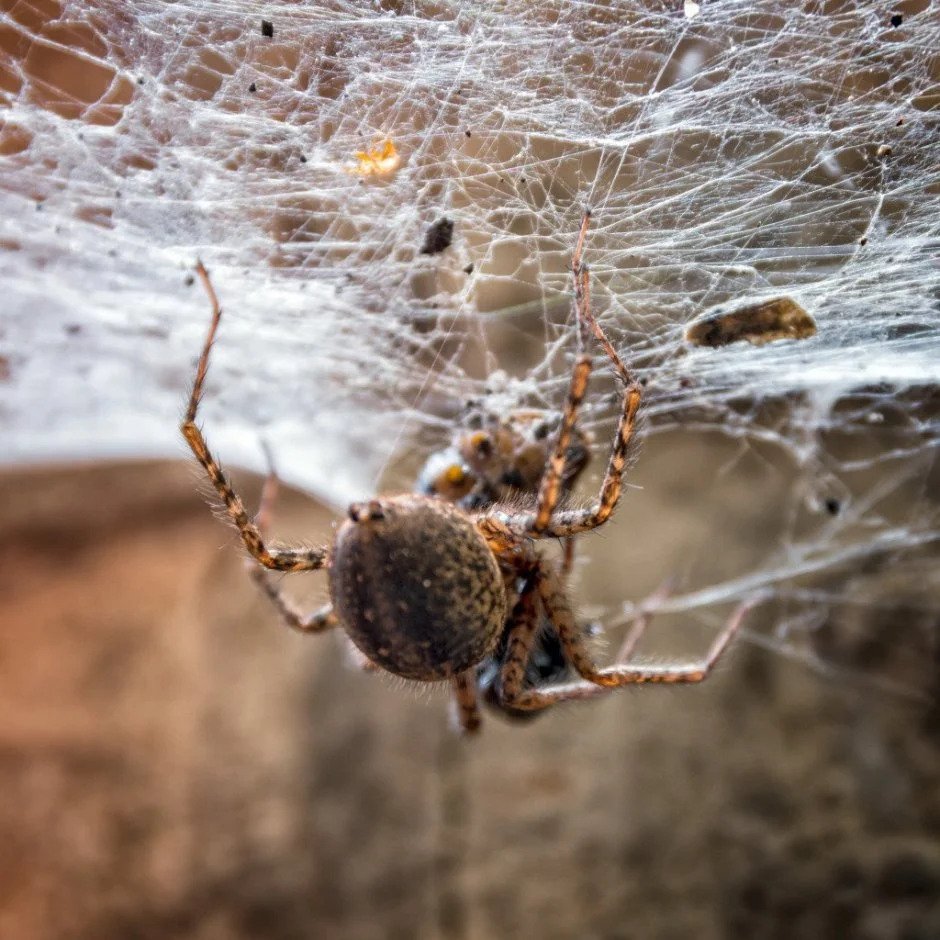
When you catch a spider quietly weaving its web in the corner of your bedroom, your initial reaction could be, “Why is it here?” Spiders are prevalent throughout Canada, particularly in Ontario, British Columbia, and Alberta. Most are harmless, but a few can provide quite a fright. Homeowners frequently ask, are wolf spiders poisonous? or are there harmful spiders in Canada? The fact is, the majority of Canadian house spiders are harmless. They actually assist by consuming flies, beetles, and other unwanted insects that you do not want to have in the house. Nevertheless, when spiders start to get too frequent, it can be unnerving. Most households call BP Pest Control to assist in determining why there are so many spiders in my house and how to prevent them safely. Before you grab a broom or spray them, it is helpful to know more about these eight-legged guests where they reside, what they feed on, and how do spiders get into the house. Why Do Canadian Homes Have So Many Spiders? Spiders like dark, undisturbed areas where food is readily available for them. In Canada’s unpredictable climate, they seek the heat during colder months and protection from rain or snow. That’s the reason why you notice spiders in basements, attics, or bathrooms. If you’re not sure how do spiders enter the house, they seep through cracks and crevices in walls, vents, or windows. Even under your door may be a welcome mat. Once inside, they seek a reliable source of insects. If you have small flies, beetles, or even ants roaming around, spiders will move in quickly. Residents of Ontario tend to see this in late summer and autumn when Ontario, Canada, wolf spiders are more active. Wolf spiders do not spin webs — they move around on floors or walls, stalking their victims. Although large, wolf spiders in Canada are not venomous. Wolf spiders hardly bite humans and shy away from human contact. House spiders are another very common species. They’re the ones found in corners or behind pieces of furniture. They’re small, often brown or gray, and harmless. They can survive for months in Ontario by building webs to capture mosquitoes and flies. Understanding Common Spiders in Canada Canada has several hundred species of spiders, yet some are rarely observed in homes. Identifying which ones inhabit your area allows you to remain composed and safely deal with them. The wolf spider is big, swift, and usually mistaken for being deadly. But if you ask the experts, are wolf spiders poisonous? or are wolf spiders toxic?, the reply is no. Their bite will sting like a bee sting but is not dangerous. They have an important role to play in keeping other insects under control. You may also find jumping spiders in Canada. These small, black-and-white arachnids possess large eyes and delight in jumping from place to place. They appear inquisitive and even appear to “watch” you, but they are harmless and feed on very small pests. Then there is the dock spider, which is found near the lake or river. Others ask, do dock spiders bite? They do, but only when treated roughly. Their bite is not harmful, though it may produce some mild redness. The black widow spider itself, however, is to be respected. Located only in southern regions of Canada, such as Ontario and British Columbia, the female black widow’s body is shiny black with a red spot beneath her belly. It’s Canada’s most venomous spider, but it is very rare for them to bite. The brown recluse spider is another name that worries people. Many ask, are brown recluse spiders in Canada? These spiders are not native to Canada and are almost never found here. Most “brown” spiders seen indoors are harmless house spiders or wolf spiders. Spiders are found in all shapes and colors black, brown, gray, and white. So many people even mix up spiders and bananas because shipments of bananas sometimes include small tropical spiders, but it is an occasional occurrence. Why Spiders Keep Returning to Homes? If you see spiders every few days, it does not necessarily mean that your house is unclean. It usually means your house offers the ideal conditions quiet areas, warmth, and insects to feed on. That is why individuals are likely to search for why do I have so many spiders in my house or how do spiders get into homes. Spiders in Ontario homes are more active during early autumn. As the outdoor temperature falls, they move indoors in search of heat. They hide behind boxes, furniture, or windows. The web you observe in your basement corner is evidence that they’ve discovered a constant food source. Water also invites spiders. Bathrooms, laundry rooms, and basements are popular hideaways. Even a leaking faucet can provide the humidity they crave. Homeowners in Laval, Toronto, and Ottawa see this when humid months roll around. If you get too many spiders, it’s usually because other tiny insects already reside there. Spiders follow food. Therefore, eliminating bugs is the way to get rid of spiders first. Are Canadian Spiders Dangerous? The term “poisonous” tends to frighten individuals, yet in Canada, poisonous spiders are very rare. Experts concur that the majority of spiders in Ontario and in Canada are not harmful to humans. Yes, there are a few poisonous spiders in Ontario, such as the black widow spider, but bites are extremely rare. Spiders in Canada bite only when they are trapped or frightened. Even wolf spiders in Canada look intimidating but are harmless. If you’re ever bitten, wash the spot with soap and water. In the rare case of swelling or pain, it’s best to call a doctor, but most spider bites heal quickly without any problem. Canada’s cold climate prohibits most tropical or lethal spiders from coming in. The ones that are present assist with keeping the germs-spreading insects at bay. So rather than fearing them, learning how to keep them out in the first place is preferred.