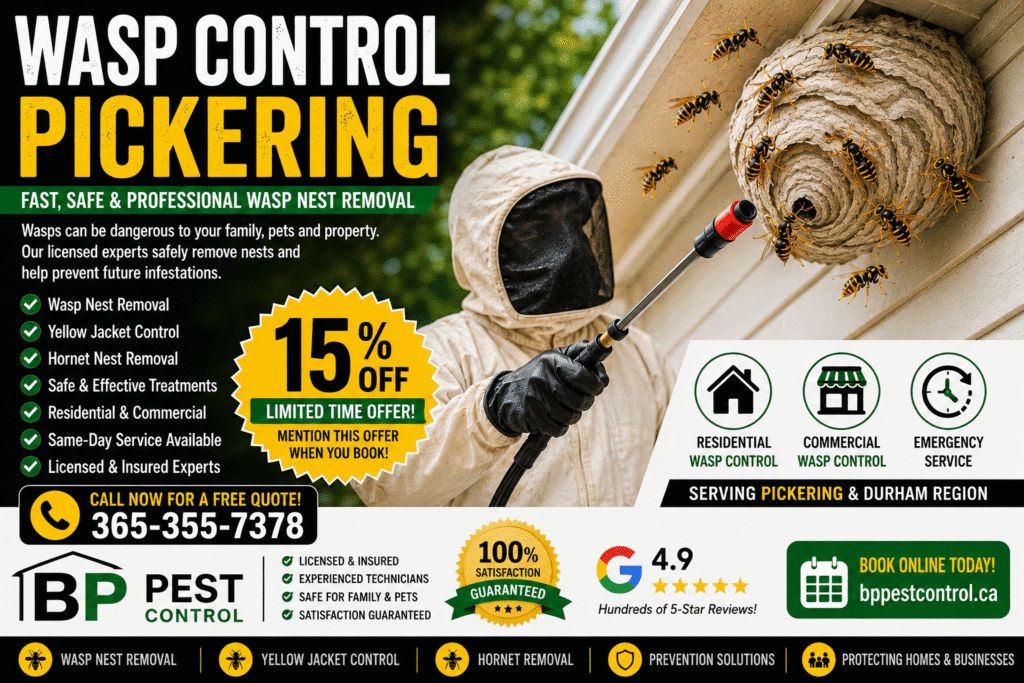
8 Common Places Wasps Build Nests Around Your Home
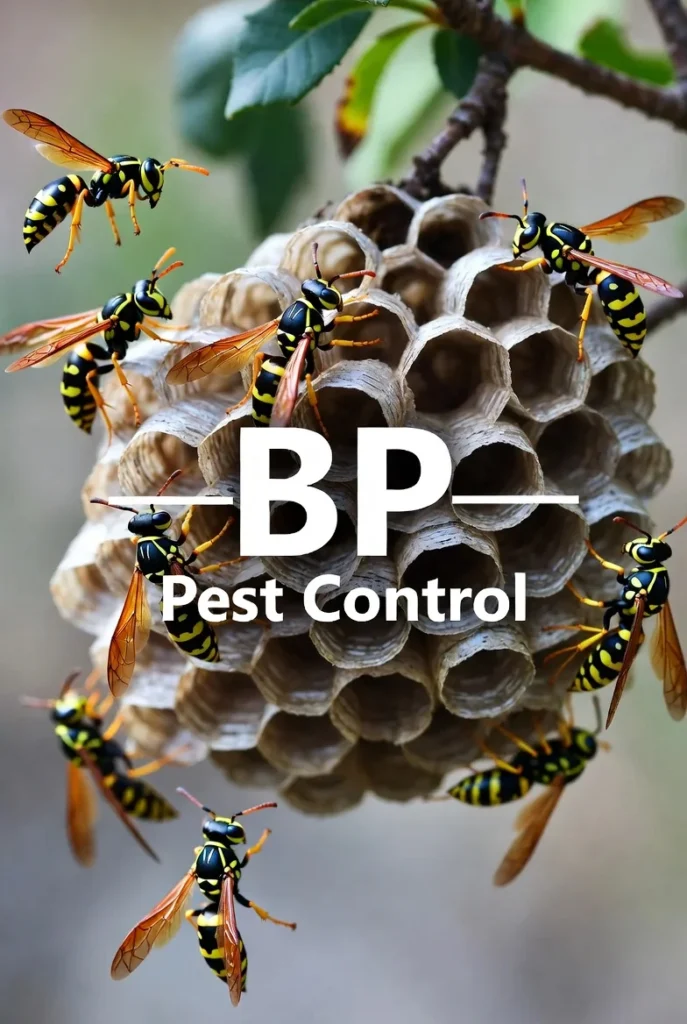
If you’ve been wondering where wasps build nests, you’re not alone. Every spring, thousands of homeowners begin noticing increased wasp activity around their property but can’t immediately locate the source. That’s because wasps are experts at choosing protected, sheltered locations where their colonies can grow undisturbed. By understanding where do wasps build nests, you can spot early warning signs, reduce the chances of an infestation, and protect your family from painful stings. Most wasp species don’t randomly choose a nesting location. They look for areas that provide shelter from rain, warmth from the sun, protection from predators, and easy access to food and water. Homes naturally provide many of these ideal conditions, making them attractive nesting sites for queen wasps each spring. At BP Pest Control, one of the most common questions we receive is, “Where wasps build nests?” Our experienced technicians routinely locate hidden nests in places homeowners never think to inspect. Whether it’s inside a wall cavity, beneath a deck, inside an attic, or tucked behind siding, early detection can prevent a small nest from becoming a major infestation. ⭐ Read Our 5-Star Google Reviews Why Do Wasps Build Nests Near Homes? Understanding where wasps build nests begins with understanding what attracts them to residential properties. A home offers everything a queen wasp needs to establish a successful colony: Once a queen finds a suitable location, she begins constructing a small paper nest using wood fibers mixed with saliva. Within weeks, the first worker wasps emerge and rapidly expand the colony throughout the summer. 8 Common Places Wasps Build Nests 1. Roof Eaves and Soffits When homeowners ask where wasps build nests, soffits and roof eaves are usually at the top of the list. These protected areas shield colonies from rain, wind, and direct sunlight while providing easy access through small construction gaps. Common signs of a nest in your roofline include: Many nests remain hidden behind soffit panels where homeowners cannot see them from ground level. 2. Attics Attics provide ideal nesting conditions because they remain warm, dry, and relatively undisturbed throughout the season. Queen wasps often enter through damaged roof vents, attic vents, or small openings around roofing materials. As colonies grow, worker wasps may begin entering living areas through: If you frequently notice wasps indoors, your attic should be professionally inspected. 3. Wall Cavities One of the most dangerous answers to where wasps build nests is inside your home’s walls. Hidden wall nests often remain unnoticed until homeowners begin hearing buzzing behind drywall or seeing wasps emerge from electrical outlets or light fixtures. Worker wasps commonly enter wall cavities through: Because these colonies remain hidden, they often reach impressive sizes before they’re discovered. 4. Under Decks and Porches Decks, porches, and raised patios create shaded, protected environments that many wasp species find attractive. Support beams, joists, and enclosed spaces beneath decks provide excellent shelter while allowing wasps to enter and leave without being disturbed. If you notice wasps flying beneath your deck every day, avoid investigating too closely. Hidden nests in these areas can become highly defensive if disturbed. 5. Garages and Storage Sheds Garages and sheds often contain quiet corners that are rarely disturbed. High rafters, shelving, ceiling joists, and roof framing provide ideal nesting locations for paper wasps and hornets. Homeowners frequently discover nests while: Before spending time inside these structures during spring or summer, inspect carefully for signs of wasp activity. 6. Trees and Shrubs Not every answer to where wasps build nests involves your home itself. Trees and dense shrubs provide excellent natural shelter for exposed paper nests and aerial hornet colonies. Nests built among tree branches often remain hidden by leaves until late summer when the foliage begins thinning. Regular yard inspections can help identify these colonies before they become larger. 7. Underground Burrows Yellow jackets frequently choose abandoned rodent burrows, landscaping voids, and underground cavities as nesting sites. These hidden colonies are especially dangerous because homeowners often don’t realize they’re present until they accidentally disturb them while mowing the lawn or gardening. Watch for: Ground nests should always be handled by trained professionals. 8. Outdoor Structures and Play Equipment Pergolas, gazebos, children’s playsets, fences, mailboxes, barbecue islands, and outdoor furniture are all common nesting locations. Small cavities inside these structures provide protection while allowing wasps to build colonies close to human activity. Inspect outdoor structures regularly, especially before entertaining guests or allowing children to play nearby. How to Recognize a Hidden Wasp Nest Even after learning where wasps build nests, finding one isn’t always easy. Many colonies remain completely concealed behind building materials or inside enclosed spaces. Warning signs include: If you notice any of these signs, a professional inspection is recommended before the colony grows larger. Why Early Detection Matters One queen wasp may establish a colony containing hundreds or even thousands of worker wasps before the end of summer. Locating nests early reduces the risk of aggressive encounters, minimizes removal complexity, and helps protect your family, pets, and visitors. Our Professional Pest Inspection Services are designed to identify hidden nesting locations before they become dangerous infestations. How to Prevent Wasps From Building Nests Around Your Home Now that you know where wasps build nests, the next step is preventing them from choosing your property. The best time to prevent a wasp infestation is during early spring when queen wasps are searching for suitable nesting locations. A few simple maintenance tasks can make your home much less attractive to nesting queens and reduce the chances of dealing with a large colony later in the season. To help prevent wasps from nesting around your property: Our Preventative Pest Treatment Services help homeowners reduce the risk of recurring wasp infestations before colonies become established. What Happens If You Ignore a Wasp Nest? Many homeowners delay treatment because the nest appears small or isn’t causing immediate problems. Unfortunately, a small nest in early spring can become a colony containing hundreds or even thousands of worker wasps by late summer. Ignoring