9 Powerful Wasp Nest in House Solutions for Ontario Homes
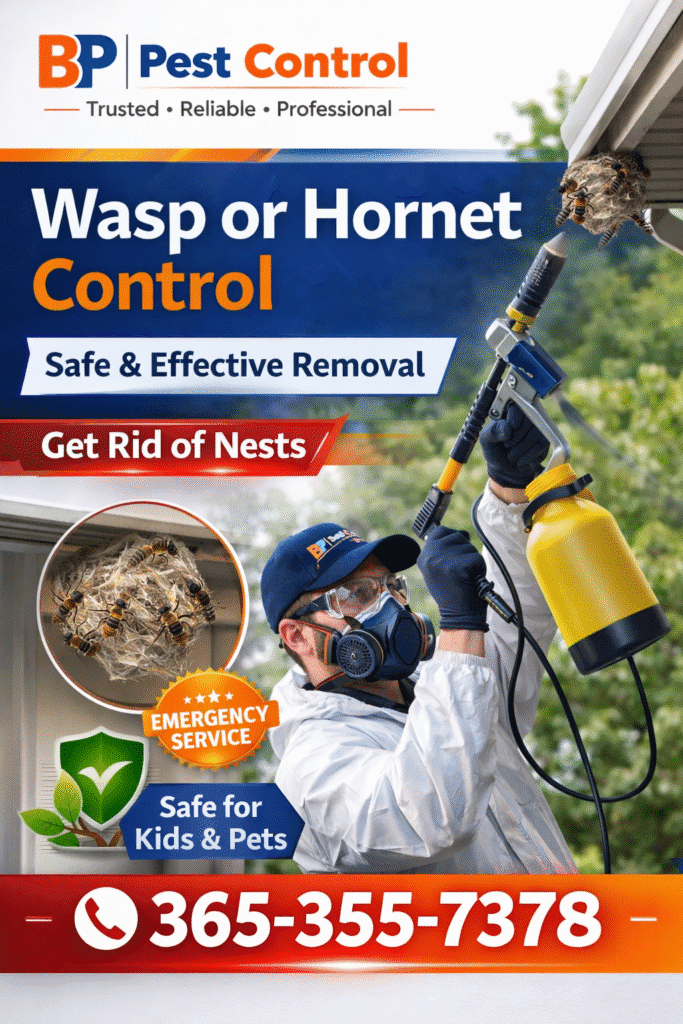
Finding a wasp nest in house can be unsettling, especially when wasps are appearing indoors, around windows, near doors, inside walls, or around other areas of your home. A wasp nest in house may be located somewhere obvious, but in many situations the nest can remain hidden inside a wall cavity, attic, roofline, soffit, chimney area, or another protected space. When homeowners discover a wasp nest in house, the first priority should be understanding where the wasps are coming from. Simply removing individual wasps that enter a room may not solve the underlying problem if an active nest is located somewhere inside or around the structure. Wasps can use small openings around roofing, siding, soffits, vents, windows, doors, utility penetrations, and other exterior areas to access sheltered spaces. Once inside a protected area, they may establish a nest that is difficult for a homeowner to see. This guide explains how to recognize a wasp nest in house, common locations where wasps may establish nests, warning signs to watch for, what homeowners should avoid doing, how professional wasp treatment works, and how to reduce the likelihood of future nesting. If you are dealing with wasp activity around your property, BP Pest Control provides professional pest management services for residential and commercial properties throughout Oshawa, Durham Region, and surrounding Ontario communities. What Does a Wasp Nest in House Mean? A wasp nest in house generally means that wasps have found a protected location within or directly connected to the structure where they can establish nesting activity. The phrase can describe several different situations. A nest may actually be inside a wall cavity, attic, roof space, soffit, chimney, garage connection, or another enclosed part of the property. In other cases, the nest may be outside but positioned immediately beside an entry point into the home. Because wasps can use small openings, homeowners may see insects indoors without immediately seeing the nest. Seeing Wasps Indoors Does Not Always Mean the Nest Is in the Room If you find several wasps inside your home, it does not necessarily mean that the nest is located directly inside the room where you found them. Wasps may enter living spaces through gaps or openings from a concealed nesting area. The source could be inside a wall, above a ceiling, within an attic, around a roofline, or near another structural opening. This is why locating the source of the activity is important when dealing with a potential wasp nest in house. 9 Common Places to Find a Wasp Nest in House 1. Wall Cavities One of the more difficult situations is a wasp nest in house located inside a wall cavity. Wasps may enter through an exterior gap and establish a nest within the protected space. From inside the home, residents may notice wasps appearing around windows, vents, light fixtures, baseboards, ceilings, or other openings. If wasps repeatedly appear in one particular room, this can provide useful information to a pest professional investigating the source. Do not open a wall simply because you suspect a nest is inside. Professional assessment can help determine where the activity is originating before structural work is considered. 2. Attic Spaces An attic can provide a sheltered environment for wasp nesting. If you notice wasps around attic access points, ceiling openings, roof vents, or upper areas of the home, an attic or roof-related nesting location may need to be considered. A wasp nest in house located in an attic can be particularly difficult for homeowners to access safely because of insulation, limited walking surfaces, roofing components, and the possibility of disturbing the nest. Homeowners should avoid entering a confined attic space to investigate an active nest without appropriate professional guidance. 3. Rooflines Rooflines provide numerous sheltered areas where wasps may establish nests. Gaps around roof edges, soffits, fascia, vents, and other exterior components can provide access to protected areas. If wasps repeatedly fly toward one section of the roof and disappear into an opening, this may be an important clue when investigating a wasp nest in house. 4. Soffits and Eaves Soffits and eaves can offer protection from weather and disturbance. Wasps entering and exiting a soffit opening repeatedly may indicate that a nest is located inside the structure or immediately behind the exterior covering. Do not seal an active entry point before the nesting situation has been assessed. Blocking an opening without understanding what is happening inside can complicate the problem. 5. Garages Attached garages can provide multiple potential nesting locations. Wasps may be noticed around garage doors, roof edges, storage areas, ceiling spaces, wall cavities, or exterior openings. A wasp nest in house does not necessarily have to be inside the main living area. An attached garage can also be connected to the structure and may require professional assessment. 6. Chimney and Vent Areas Chimney surrounds and ventilation areas can provide sheltered spaces that may attract insects. If wasps are repeatedly appearing near a chimney, vent, roof opening, or upper section of the home, the surrounding structure should be inspected carefully. Avoid attempting to reach into a chimney or vent to investigate an active nest. 7. Around Windows and Doors Windows and doors have numerous seams, frames, screens, and exterior gaps that may provide potential access points. Wasps gathering repeatedly around one window or doorway may be responding to food sources, but repeated traffic toward a specific opening can also warrant investigation. If a wasp nest in house is suspected near an entrance, keep household members away from the affected area while the situation is assessed. 8. Behind Siding Damaged or separated siding can create protected spaces that wasps may use for access. Wasps repeatedly entering behind siding can be difficult to manage because the nest itself may not be visible. A professional inspection can help determine whether the activity is connected to an active nest behind the exterior surface. 9. Other Protected Structural Areas Wasps can potentially use many sheltered spaces around a property. Other areas worth considering include: When