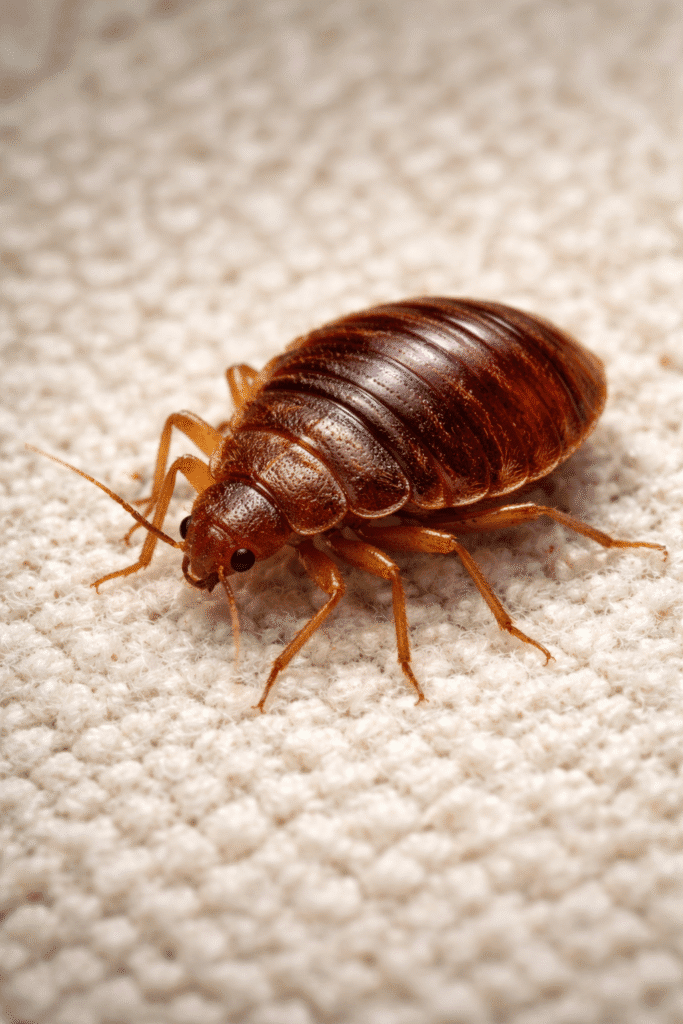
Box Elder Bug Removal Ajax: 17 Effective Ways to Reduce Box Elder Bugs Around Your Home
Box elder bug removal Ajax can help homeowners, tenants, landlords, and property managers deal with clusters of black-and-red insects gathering around windows, exterior walls, doors, and other sheltered areas. Box elder bugs often become noticeable during seasonal temperature changes, especially when they gather on warm walls or seek protected places to overwinter. Although they are generally nuisance pests rather than insects that cause significant structural damage, large numbers can become frustrating when they enter a home. BP Pest Control provides pest control services in Ajax and surrounding Durham Region communities. With more than 20 years of pest control experience, BP Pest Control helps property owners understand pest concerns and explore suitable management options. If you are noticing recurring clusters of box elder bugs, professional box elder bug removal Ajax can help you determine which steps may be appropriate for your property. Whether you live in a detached house, townhouse, condominium, or rental property, understanding box elder bug removal Ajax can help you identify the insects, locate potential entry points, and reduce the chance of unwanted indoor activity. This guide explains how to recognize box elder bugs, why they gather around homes, how to remove visible insects safely, and when professional pest management may be worth considering. What Are Box Elder Bugs? Box elder bugs are dark-coloured insects with distinctive reddish-orange markings along their bodies and wings. Adults are generally black or dark grey, while younger insects may have brighter red colouring. They are associated with box elder trees and may also feed on seeds from certain other trees, including some maples. These insects are often seen gathering on sun-exposed walls, window frames, siding, and other exterior surfaces. When outdoor conditions become colder, they may seek sheltered places around buildings. Some enter through small gaps and become noticeable inside homes. Homeowners searching for box elder bug removal Ajax should understand that indoor sightings do not automatically mean the insects are breeding inside the property. They may have entered from outside and found a sheltered space. Identifying the source of the activity helps determine which management measures are suitable. How to Identify Box Elder Bugs Adult box elder bugs usually have an elongated oval body, dark colouring, and reddish-orange lines along the edges of their wings. They may gather in groups on warm surfaces, particularly when temperatures change. Look for clusters around windows, exterior doors, siding, and sunny walls. If you are unsure which insect you have found, take a clear photograph and seek identification before choosing a treatment method. Correct identification is an important part of effective box elder bug removal Ajax. Are Box Elder Bugs Harmful? Box elder bugs are generally considered nuisance pests. They are not typically associated with significant structural damage, and they do not normally pose a serious threat to people. However, large groups can become inconvenient when insects enter living spaces. Crushing box elder bugs may leave stains on walls, curtains, or other surfaces and can produce an unpleasant odour. Careful physical removal and attention to possible entry points can help reduce these inconveniences. Why Box Elder Bug Removal Ajax May Be Necessary Box elder bugs may gather around Ajax homes when seasonal conditions encourage them to seek warm surfaces and protected locations. Exterior walls, window frames, siding, soffits, and gaps around building features can provide suitable places for insects to congregate or enter. Removing the insects that are easy to see may provide immediate relief, but new insects can continue arriving if the exterior conditions remain favourable. Effective box elder bug removal Ajax should consider both the visible insects and the possible routes through which they enter the building. Seasonal Changes Can Increase Insect Activity Box elder bugs are often especially noticeable during autumn, when they may gather on sun-warmed walls before seeking sheltered places for colder weather. They can also become visible again when temperatures rise and insects become active. If box elder bugs appear around the same windows or walls every year, record where they gather and when the activity begins. These observations can help you identify recurring problem areas and plan preventive maintenance. Nearby Trees May Contribute to Box Elder Bug Activity Box elder bugs are associated with box elder trees and may also use certain other suitable host trees. Homes near these trees may experience noticeable insect activity, although proximity to a tree does not automatically mean insects will enter the building. Before considering major landscaping changes, inspect the building for potential entry points and note where insects gather. A professional box elder bug removal Ajax assessment can help clarify which measures may be appropriate. Small Openings Can Allow Insects Inside Gaps around windows, doors, siding, utility lines, and exterior trim may provide entry routes. Damaged screens and worn weatherstripping can also make it easier for insects to move indoors. Maintaining these areas can reduce opportunities for entry. Repairs should be suitable for the building material and must not block required ventilation, drainage, or other functional openings. 17 Box Elder Bug Removal Ajax Tips for Homeowners 1. Inspect Exterior Walls for Clusters Begin by examining the outside of your home, especially walls that receive direct sunlight. Check siding, window frames, exterior trim, and areas where you have repeatedly noticed groups of insects. Make a note of the locations with the most activity. This information can help you decide where to focus your inspection and can help a professional understand the pattern of the problem when assessing box elder bug removal Ajax. 2. Check Window Screens and Frames Inspect screens for tears, loose corners, and poorly fitted edges. Check window frames for gaps, cracked sealant, or worn seals that could allow insects to enter. Repair or replace damaged screens where needed. Maintaining a secure fit around windows can reduce opportunities for box elder bugs and other nuisance insects to enter when windows are open. 3. Examine Exterior Doors Check weatherstripping around exterior doors and look for gaps beneath door sweeps. If daylight is visible around a closed door, the opening may