Wasp Nest in Fence: Signs, Safe Removal & Prevention Guide
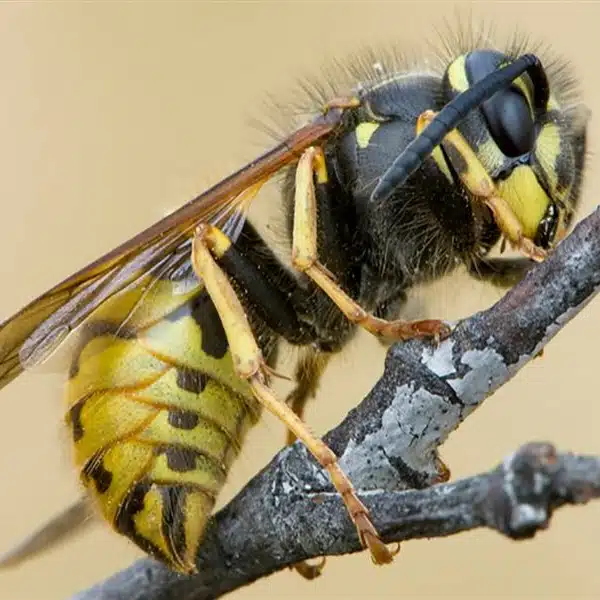
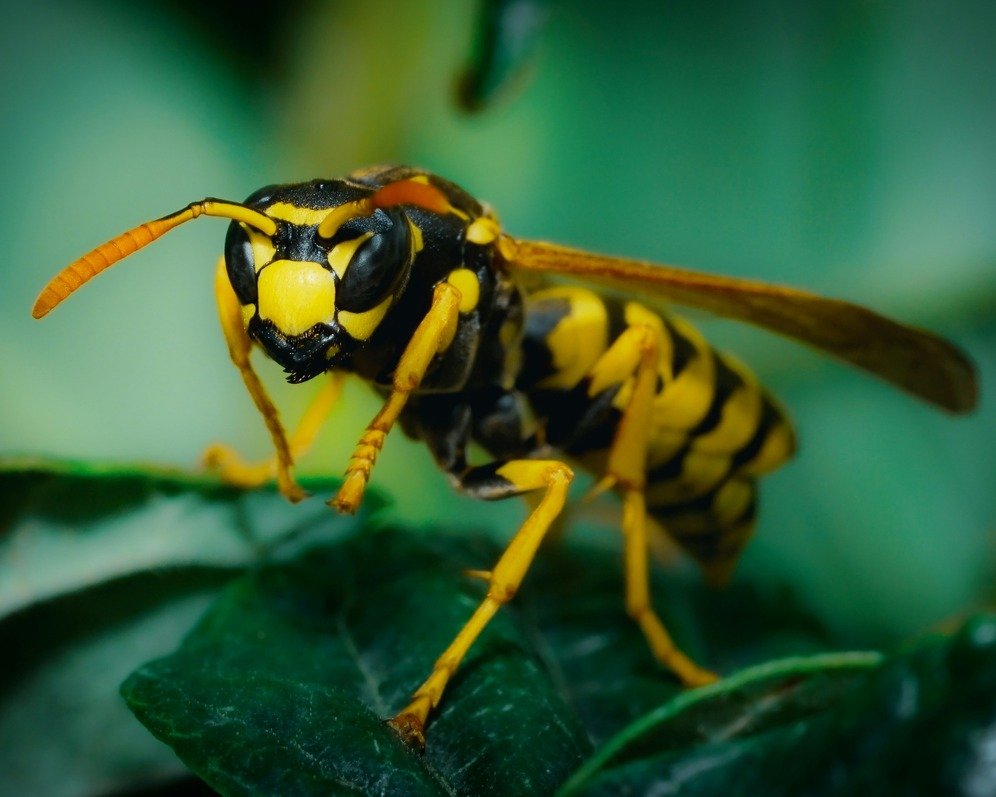
Wasp Nest in Fence is a common outdoor pest problem that many homeowners discover during the warmer months. Wooden fences, vinyl fences, and decorative fence posts provide sheltered spaces where queen wasps can establish new colonies. Because these nests are often hidden inside fence posts, behind fence panels, or beneath fence caps, homeowners may not notice them until they are stung while mowing the lawn, gardening, or spending time in the backyard. Professional Wasp Nest in Fence inspections help locate hidden colonies before they become dangerous. Every spring, queen wasps search for protected nesting sites that offer warmth, shelter, and limited disturbance. Fence structures provide ideal conditions because they contain enclosed cavities, small access openings, and dry environments that protect developing colonies from rain and predators. As the season progresses, a small Wasp Nest in Fence can rapidly expand into a colony containing hundreds or even thousands of worker wasps. Unlike exposed paper nests hanging from trees, many fence nests remain concealed inside hollow fence posts or structural cavities. Homeowners often discover them accidentally while repairing fences, staining wood, trimming vegetation, or simply walking too close to the nesting area. At BP Pest Control, we provide professional Wasp Nest in Fence inspections and removal services throughout Durham Region, Toronto, and the GTA. Our experienced technicians identify the wasp species, locate hidden fence colonies, safely eliminate active nests, and provide long-term prevention recommendations. ⭐ Read Our 5-Star Google Reviews Why Wasps Build Nests in Fences Understanding why a Wasp Nest in Fence develops helps homeowners recognize high-risk areas around their property. Fence structures provide many of the conditions wasps naturally seek when building new colonies. Common Places Wasps Build Nests in Fences Professional inspections frequently discover a Wasp Nest in Fence in locations homeowners rarely inspect. Hollow Fence Posts Vinyl and metal fence posts often provide enclosed cavities where wasps establish hidden colonies. Wooden Fence Panels Small gaps behind fence boards create sheltered nesting locations for paper wasps. Fence Caps Loose or damaged fence caps allow queens to enter hollow posts. Gate Posts Gate supports frequently contain structural spaces that protect developing nests. Decorative Fencing Ornamental fence designs often include enclosed sections that attract nesting wasps. Privacy Fences Tall wooden privacy fences provide quiet, undisturbed nesting environments. Retaining Fence Structures Landscaping fences near gardens sometimes contain hidden cavities used for nesting. Fence Corners Protected corners surrounded by shrubs and vegetation frequently conceal wasp activity. Signs You Have a Wasp Nest in Fence Recognizing the early warning signs of a Wasp Nest in Fence allows homeowners to arrange professional removal before the colony grows significantly larger. 1. Wasps Flying Around Fence Posts Repeated wasp activity around one fence post often indicates a hidden colony. 2. Wasps Entering Small Openings If worker wasps repeatedly disappear into the same crack or opening, a nest is likely inside the fence. 3. Buzzing Sounds Large colonies sometimes produce buzzing noises that can be heard near fence structures. 4. Increased Summer Activity Worker populations grow rapidly during the summer as the colony expands. 5. Aggressive Behaviour Wasps aggressively defending one section of fencing usually indicate an active nest nearby. 6. Wasps Near Gardens Fence nests are commonly discovered near flower beds, vegetable gardens, and landscaping. 7. Daily Wasp Traffic Consistent movement of wasps in and out of the same fence opening is one of the clearest indicators of a Wasp Nest in Fence. 8. Hidden Nest Material In some cases, grey paper nest material may become visible through damaged fence openings. Common Wasp Species Found in Fences Yellow Jackets Yellow jackets frequently establish concealed colonies inside fence posts and enclosed wooden structures. Paper Wasps Paper wasps commonly attach umbrella-shaped nests beneath fence caps, rails, and protected wooden surfaces. European Hornets European hornets occasionally use hollow fence structures and nearby wooden buildings for nesting. Bald-Faced Hornets Although they typically build aerial nests, bald-faced hornets sometimes establish colonies around heavily wooded fence lines. Residential Fence Wasp Inspections BP Pest Control provides professional inspections for homeowners experiencing a Wasp Nest in Fence. Our technicians inspect fence posts, fence panels, gates, landscaping, surrounding vegetation, and nearby outdoor structures to locate hidden colonies before they continue growing. Learn more about our Residential Pest Control Services. Commercial Fence Wasp Inspections Schools, parks, sports facilities, apartment complexes, industrial properties, warehouses, golf courses, and commercial facilities often experience wasp activity around perimeter fencing. Routine inspections help protect employees, visitors, customers, and tenants while reducing the risk of hidden infestations. Learn more about our Commercial Pest Control Services. When Should You Remove a Wasp Nest in Fence? A Wasp Nest in Fence should be professionally removed as soon as it is discovered. Hidden fence colonies continue growing throughout the summer, increasing the number of worker wasps and making the infestation more dangerous. Because fences are commonly located beside gardens, patios, pools, walkways, and play areas, delaying treatment increases the risk of painful stings for family members, pets, and visitors. You should schedule professional removal if: Why DIY Fence Wasp Removal Is Dangerous Attempting to remove a Wasp Nest in Fence without professional equipment can be dangerous. Most fence nests are hidden inside hollow posts, wooden cavities, or enclosed structural spaces where aerosol sprays cannot reach the entire colony. Disturbing an active nest often causes hundreds of worker wasps to aggressively defend their colony. DIY removal may result in: Professional Wasp Removal Services safely eliminate active colonies while helping prevent future wasp infestations. How Professional Fence Wasp Inspections Work Every Wasp Nest in Fence inspection performed by BP Pest Control begins with identifying the wasp species and locating all hidden nesting areas. Our technicians inspect the complete fence line and surrounding landscape to ensure every active colony is found. Our inspections include: Learn more about our Professional Pest Inspection Services. How to Prevent Wasps From Nesting in Fences Routine maintenance is one of the most effective ways to prevent another Wasp Nest in Fence. Annual inspections and simple repairs before spring nesting season help reduce attractive