Wasp Nest in Eaves: Signs, Safe Removal & Prevention Guide
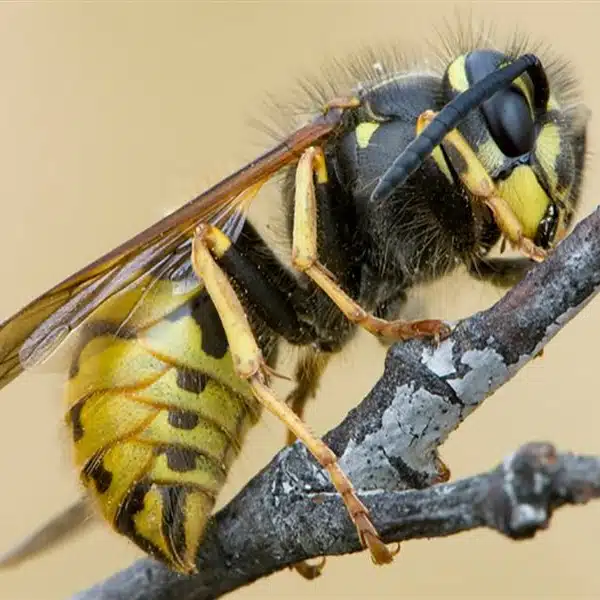
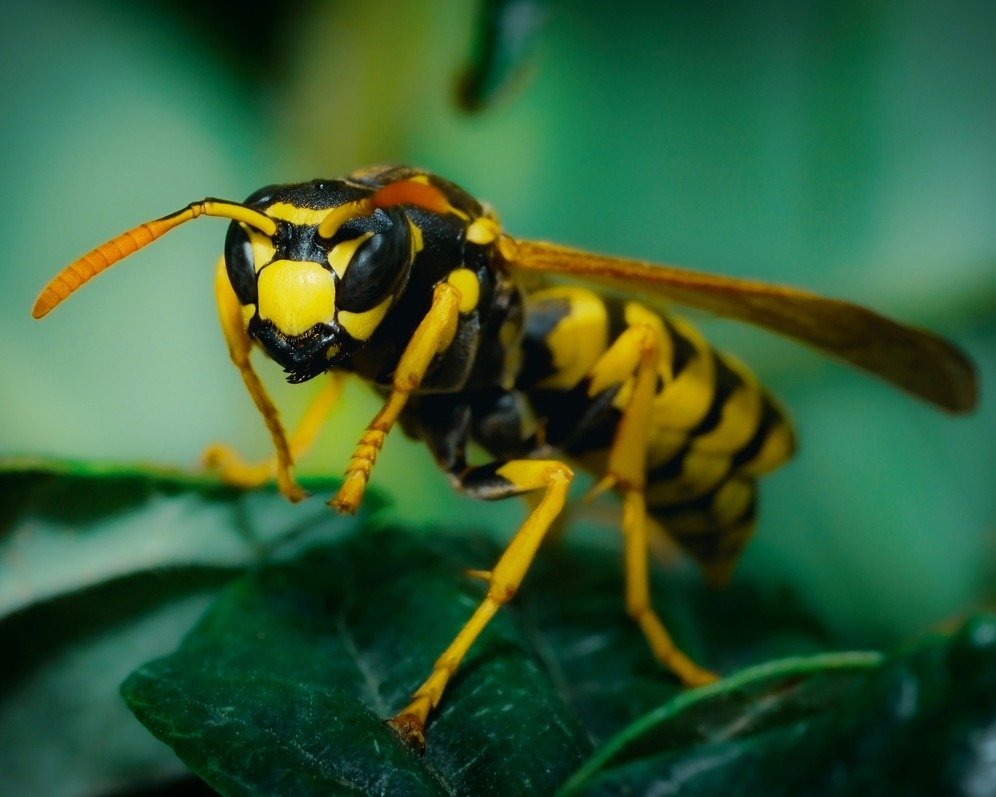
Wasp Nest in Eaves is one of the most common wasp problems homeowners experience during spring and summer. Roof eaves provide warm, sheltered, and protected spaces where queen wasps can establish new colonies without much disturbance. As the colony grows, homeowners often notice increasing wasp activity around the roofline, buzzing sounds near the soffits, or wasps entering small gaps beneath the eaves. Professional Wasp Nest in Eaves inspections help identify hidden colonies before they become dangerous. Every spring, queen wasps search for dry, protected locations to build their first paper nest. Roof eaves offer ideal nesting conditions because they shield developing colonies from rain, wind, and predators while remaining relatively undisturbed. By late summer, a single Wasp Nest in Eaves can contain hundreds or even thousands of worker wasps actively defending the colony. Unlike nests hanging openly from tree branches, many nests beneath roof eaves remain hidden behind fascia boards, soffits, gutters, or trim until homeowners accidentally disturb them during roof maintenance, gutter cleaning, or exterior painting. At BP Pest Control, we provide professional Wasp Nest in Eaves inspections and removal services throughout Durham Region, Toronto, and the GTA. Our experienced technicians identify the wasp species, locate hidden nests beneath roof eaves, safely remove active colonies, and recommend preventative solutions to reduce future infestations. ⭐ Read Our 5-Star Google Reviews Why Wasps Build Nests in Eaves Understanding why a Wasp Nest in Eaves develops helps homeowners identify high-risk areas before colonies become established. Roof eaves naturally provide the shelter and protection wasps seek during nesting season. Common Places Wasps Build Nests Under Eaves Professional inspections frequently locate a Wasp Nest in Eaves in areas that are difficult to see from ground level. Beneath Soffits Small openings beneath soffits provide excellent protection for developing colonies. Behind Fascia Boards Hidden gaps behind fascia boards commonly conceal active wasp nests. Under Gutters Gutters provide shaded locations where paper wasps often attach their nests. Roof Corners Roof intersections and corners frequently protect colonies from weather exposure. Behind Exterior Trim Decorative trim often creates enclosed spaces that attract nesting queens. Roof Overhangs Wide roof overhangs offer ideal shelter for paper wasps and hornets. Vent Openings Roof vents near the eaves may provide access to enclosed roof cavities. Light Fixtures Exterior lighting installed beneath roof eaves commonly attracts nesting activity. Signs You Have a Wasp Nest in Eaves Recognizing the early warning signs of a Wasp Nest in Eaves allows homeowners to schedule professional removal before the colony becomes significantly larger. 1. Wasps Flying Around the Roofline Consistent wasp activity beneath your roof often indicates an active colony nearby. 2. Wasps Entering Small Openings If worker wasps repeatedly disappear beneath the eaves, a hidden nest is likely present. 3. Buzzing Sounds Large colonies sometimes produce noticeable buzzing beneath roof overhangs. 4. Increased Summer Activity Worker populations rapidly expand throughout the summer months. 5. Visible Paper Nest Grey paper nests may become visible beneath eaves as the colony grows. 6. Aggressive Behaviour Wasps aggressively protecting one section of the roofline often indicate a nearby nest. 7. Daily Wasp Traffic Continuous movement of worker wasps in and out of one location is a strong indicator of a Wasp Nest in Eaves. 8. Wasps Near Entrances Nests located above front doors, patios, garages, or balconies often create repeated wasp encounters. Common Wasp Species Found Under Eaves Paper Wasps Paper wasps are the species most commonly found building exposed umbrella-shaped nests beneath roof eaves. Yellow Jackets Yellow jackets sometimes access enclosed roof spaces through openings beneath the eaves. European Hornets European hornets occasionally establish colonies in protected roofline structures. Bald-Faced Hornets Bald-faced hornets often build large aerial nests attached beneath overhanging roof structures and nearby trees. Residential Eaves Wasp Inspections BP Pest Control provides professional inspections for homeowners dealing with a Wasp Nest in Eaves. Our technicians inspect rooflines, soffits, fascia boards, gutters, vents, and surrounding exterior structures to locate hidden colonies before they continue expanding. Learn more about our Residential Pest Control Services. Commercial Roofline Inspections Restaurants, office buildings, schools, warehouses, hotels, apartment complexes, retail plazas, and industrial facilities frequently experience wasp activity beneath roof eaves. Routine inspections help protect employees, customers, tenants, and visitors while preventing larger infestations. Learn more about our Commercial Pest Control Services. When Should You Remove a Wasp Nest in Eaves? A Wasp Nest in Eaves should be professionally removed as soon as it is discovered. Colonies hidden beneath roof overhangs continue growing throughout the summer, increasing the number of worker wasps and the risk of painful stings. Because roof eaves are located above entryways, patios, balconies, garages, and windows, untreated nests can become a daily safety concern for your family and visitors. You should schedule professional removal if: Why DIY Eaves Wasp Removal Is Dangerous Many homeowners attempt to remove a Wasp Nest in Eaves using aerosol sprays or household insecticides. Unfortunately, nests beneath rooflines are often difficult to access safely and disturbing an active colony can trigger aggressive swarming. Hidden nests located behind fascia boards or soffits may also survive incomplete treatments. DIY removal may result in: Professional Wasp Removal Services safely eliminate active colonies while reducing the likelihood of future infestations. How Professional Eaves Wasp Inspections Work Every Wasp Nest in Eaves inspection performed by BP Pest Control begins with identifying the wasp species and locating every active nesting area. Our technicians inspect the complete roofline to ensure concealed colonies are safely located and removed. Our inspections include: Learn more about our Professional Pest Inspection Services. How to Prevent Wasps From Nesting in Eaves Routine maintenance is one of the best ways to prevent another Wasp Nest in Eaves. Annual inspections and repairing small roofline openings before spring nesting season significantly reduce attractive nesting areas. Learn more about our Preventative Pest Treatment Services. Commercial Roof Eaves Wasp Control Restaurants, office buildings, hotels, apartment complexes, warehouses, schools, retail plazas, and industrial facilities commonly experience wasp nesting beneath roof eaves. Routine inspections help protect employees, customers, tenants, and visitors while reducing the