Wasp Nest in Wall: Signs, Removal & How to Stop Hidden Infestations
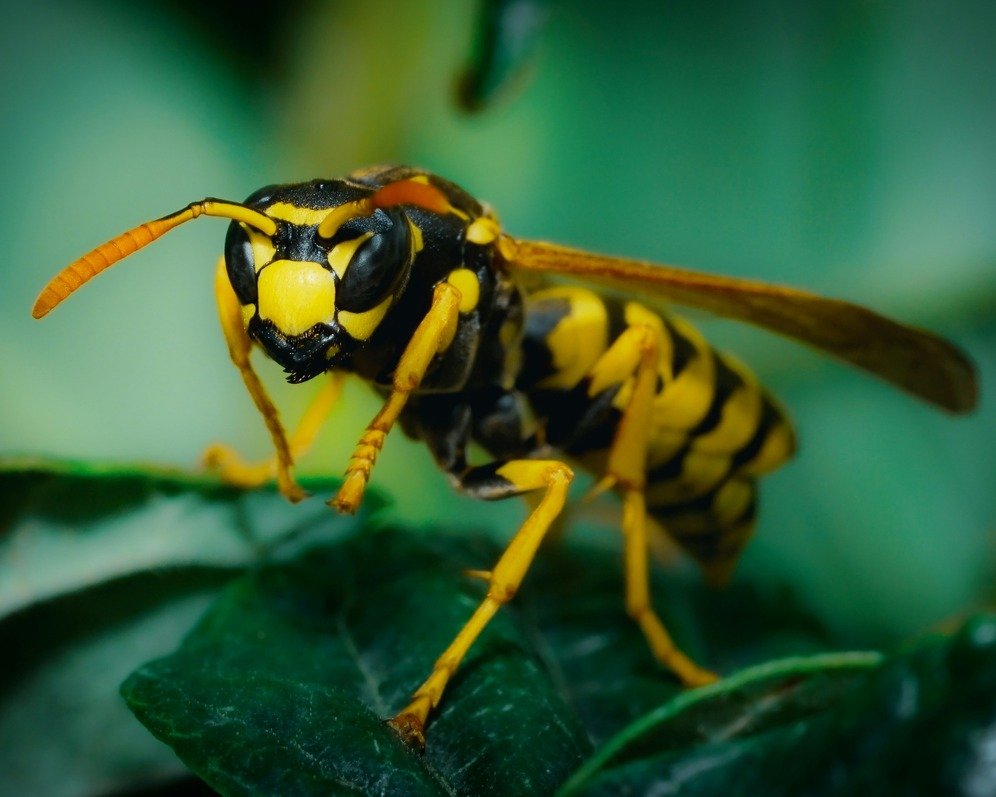
Wasp Nest in Wall is one of the most difficult pest problems for homeowners to identify because the colony remains hidden inside the structure of the home. Unlike exposed nests under decks or hanging from trees, wall nests are concealed behind drywall, brick, siding, insulation, or exterior cladding. Many homeowners don’t realize they have a Wasp Nest in Wall until they hear buzzing inside the walls or notice dozens of wasps entering the same small opening outside their home every day. Professional Wasp Nest in Wall inspections help locate hidden colonies before they become dangerous. Every spring, queen wasps search for sheltered locations to establish new colonies. Small openings around siding, brickwork, soffits, vents, utility penetrations, and window frames provide perfect entry points into wall cavities. Once inside, the queen begins building a paper nest that rapidly expands as worker wasps hatch. By late summer, a single Wasp Nest in Wall may contain hundreds or even thousands of aggressive worker wasps. Wall cavities provide nearly ideal nesting conditions because they remain warm, dry, protected from weather, and largely undisturbed throughout the nesting season. Unfortunately, this allows colonies to continue growing without being detected until wasp activity becomes impossible to ignore. At BP Pest Control, we provide professional Wasp Nest in Wall inspections and removal services throughout Durham Region, Toronto, and the GTA. Our experienced technicians identify the wasp species, locate hidden wall colonies, safely eliminate active nests, and recommend preventative measures that reduce future infestations. ⭐ Read Our 5-Star Google Reviews Why Wasps Build Nests Inside Walls Understanding why a Wasp Nest in Wall develops helps homeowners recognize vulnerable areas around their property. Wall cavities offer protection that closely resembles natural nesting environments while providing easy access through tiny exterior openings. How Wasps Get Into Wall Cavities Professional inspections often reveal that a Wasp Nest in Wall begins through surprisingly small openings around the outside of the home. Damaged Siding Loose or damaged siding creates entry points directly into wall cavities. Brick Weep Holes Open brick weep holes often provide ideal access for queen wasps entering wall spaces. Window Frames Small gaps around windows commonly allow wasps into exterior wall cavities. Door Frames Cracks around doors can provide another hidden access point. Utility Penetrations Openings around electrical wiring, cable lines, plumbing, and gas pipes often lead directly into walls. Soffits Many colonies begin inside soffits before expanding into adjacent wall cavities. Roof Flashing Damaged flashing occasionally creates hidden access into structural voids. Foundation Gaps Small cracks where siding meets the foundation sometimes allow wasps to enter lower wall cavities. Signs You Have a Wasp Nest in Wall Recognizing the warning signs of a Wasp Nest in Wall allows homeowners to schedule treatment before the colony becomes significantly larger. 1. Buzzing Inside Walls One of the clearest signs is a continuous buzzing sound coming from inside your walls, especially during warm afternoons. 2. Wasps Entering One Small Opening If multiple wasps repeatedly enter and leave the same crack or gap, there is a good chance a hidden wall colony exists. 3. Increased Wasp Activity Large numbers of wasps flying around one section of your home often indicate an active Wasp Nest in Wall. 4. Wasps Inside Your Home Worker wasps sometimes enter living spaces through electrical outlets, ceiling fixtures, vents, or tiny wall openings. 5. Aggressive Behaviour Wasps aggressively protecting one exterior wall usually indicates the colony is nearby. 6. Daily Wasp Traffic Repeated activity throughout the day is one of the strongest indicators of a mature colony. 7. Activity Around Windows Wasps repeatedly flying around upper windows often originate from nests hidden inside nearby walls. 8. More Wasps During Late Summer Worker populations peak during late summer, making wall infestations much easier to notice. Common Wasp Species Found Inside Walls Yellow Jackets Yellow jackets are the species most commonly responsible for a Wasp Nest in Wall because they naturally seek enclosed cavities for nesting. European Hornets European hornets frequently establish colonies inside wall cavities, attics, and other enclosed structural spaces. Paper Wasps Paper wasps occasionally expand from exposed exterior nests into protected wall voids. Bald-Faced Hornets Although less common, bald-faced hornets sometimes nest near wall structures connected to roof cavities. Residential Wall Wasp Inspections BP Pest Control provides professional inspections for homeowners dealing with a Wasp Nest in Wall. Our technicians inspect siding, brickwork, soffits, rooflines, vents, windows, and structural openings to locate hidden colonies before they continue expanding. Learn more about our Residential Pest Control Services. Commercial Building Wall Inspections Restaurants, schools, office buildings, warehouses, apartment complexes, hotels, shopping centres, and commercial properties frequently develop hidden wall infestations. Routine inspections help protect employees, tenants, customers, and visitors while preventing larger wasp colonies from developing. Learn more about our Commercial Pest Control Services. When Should You Remove a Wasp Nest in Wall? A Wasp Nest in Wall should be professionally removed as soon as it is discovered. Hidden colonies continue growing throughout the summer, increasing the number of worker wasps and making the infestation much more dangerous. The longer a colony remains inside the wall, the greater the chance wasps will begin entering your home through vents, light fixtures, electrical outlets, or other openings. You should schedule professional removal if: Why DIY Wall Wasp Removal Is Dangerous Attempting to remove a Wasp Nest in Wall without professional equipment is risky. Most colonies are hidden deep inside insulated wall cavities where aerosol sprays and household insecticides cannot reach the queen or the entire colony. Disturbing the nest often causes worker wasps to swarm and aggressively defend their home. DIY removal can result in: Professional Wasp Removal Services safely locate and eliminate the entire colony while helping prevent future infestations. How Professional Wall Wasp Inspections Work Every Wasp Nest in Wall inspection performed by BP Pest Control begins with identifying the wasp species and locating all exterior entry points. Our technicians inspect the entire exterior and interior of the affected area to ensure hidden colonies are accurately located. Our inspections include: