Ajax Pest Control

Wasp control Whitby for residential and property protection
Ajax Pest Control, Ant Control, Bed Bug Control, Bed bug control North York, Bed bug control oshawa, Bed bug removal in Ajax

Wasp Control Whitby: 7 Expert & Proven Solutions

If you are searching for wasp control Whitby because wasps are becoming a problem around your home, business, deck, garage, shed, roofline, or outdoor living space, identifying the source of the activity is an important first step. Repeated wasp activity in one area can indicate an active nest nearby, while wasps entering a building can sometimes indicate concealed nesting within a protected structural space. Whitby properties can provide wasps with many possible nesting locations. Roof overhangs, soffits, attics, wall cavities, garages, sheds, decks, porches, trees, fences, landscaping, and other sheltered areas may provide suitable protection for a colony. Some nests are easy to spot, while others may remain hidden behind or inside building materials. BP Pest Control provides professional pest management services for residential and commercial properties throughout Whitby and surrounding Durham Region communities. Our approach to wasp control Whitby focuses on identifying the source of wasp activity, assessing potential nesting areas, and determining an appropriate treatment strategy for the specific property. Learn more about our services through the BP Pest Control website. What Is Wasp Control Whitby? Wasp control Whitby involves managing wasp activity by determining where the insects are coming from, identifying whether an active nest is present, and addressing the source of the problem when appropriate. Effective wasp control is not simply about eliminating individual wasps that happen to be visible. If an active colony remains nearby, additional wasps can continue appearing around the same property. Why Identifying the Source Is Important Wasps may fly throughout a property while looking for food, water, nesting materials, or suitable nesting locations. However, repeated activity around one particular location can provide an important clue that a nest or access point is nearby. This is why professional wasp control Whitby should begin with understanding the source of the activity rather than relying only on visible insects. Common Signs of Wasp Activity in Whitby Recognizing the signs of an active wasp problem can help property owners determine when professional wasp control Whitby may be appropriate. Repeated Wasp Activity If wasps repeatedly gather around one section of your property, pay attention to that location. Rooflines, soffits, decks, garages, sheds, trees, fences, and landscaping can all be associated with wasp activity. A consistent pattern of activity may indicate that the insects are travelling to and from a nearby nest. Wasps Entering and Leaving One Opening Repeatedly seeing wasps enter and leave the same opening can be an indication of concealed nesting. Potential access points may occur around siding, soffits, roofing, vents, walls, or other exterior features. If you notice this behaviour, avoid blocking or disturbing the opening before the source of the activity has been assessed. Visible Nest Some wasp nests are visible beneath roof overhangs, porch ceilings, decks, sheds, garages, or other sheltered structures. A visible nest should still be treated cautiously because disturbing an active colony can cause defensive behaviour. Wasps Inside a Building Repeated wasps indoors can indicate that insects are entering through an exterior opening or that nesting is occurring within a concealed section of the building. Indoor wasp activity should not automatically be assumed to be an isolated occurrence. Wasp Control Whitby for Residential Properties Residential properties throughout Whitby can experience wasp activity around both structures and outdoor areas. Homes with decks, garages, sheds, gardens, mature landscaping, roof overhangs, and other sheltered spaces can have multiple potential nesting locations. Professional wasp control Whitby can be particularly useful when wasps are active close to entrances, patios, decks, children’s play areas, garages, or other frequently used parts of the property. Wasp Activity Near Entrances A nest near a front door, back door, side entrance, or garage can become a recurring concern because people may have to pass near the colony. If you discover active wasp activity close to an entrance, keep unnecessary activity away from the affected area and avoid disturbing the nest. Wasp Activity Around Decks and Patios Decks and patios can provide sheltered areas underneath boards, stairs, railings, and surrounding structures. Landscaping near outdoor living spaces can also provide potential nesting locations. If wasps consistently appear around your deck, observe their movement from a safe distance rather than approaching the suspected nest. Wasp Activity Around Garages and Sheds Garages and sheds can contain roof edges, wall openings, storage structures, and sheltered spaces that may be used for nesting. Repeated activity around these structures can justify a professional pest assessment. Commercial Wasp Control Whitby Wasp activity can affect businesses as well as homes. Restaurants, retail stores, offices, warehouses, industrial buildings, rental properties, and other commercial locations may experience wasps around entrances, outdoor spaces, garbage areas, landscaping, and loading zones. For commercial properties, wasp control Whitby should consider how employees, customers, tenants, and visitors use the property. Common Commercial Wasp Areas BP Pest Control provides pest management services for businesses throughout the area. Learn more about our commercial pest control services. 7 Effective Wasp Control Whitby Strategies 1. Identify the Source of Wasp Activity The first strategy for effective wasp control Whitby is determining where the wasps are coming from. Watch for repeated flight patterns and areas where insects enter or leave the building or surrounding structures. This can help distinguish general wasp activity from a concentrated nesting problem. 2. Inspect Rooflines and Overhangs Rooflines and overhangs can provide shelter from weather and potential nesting opportunities. Pay attention to unusual activity around eaves and roof edges. Do not climb toward or physically disturb an active nest. 3. Check Soffits and Fascia Soffits and fascia can contain openings that allow wasps to access concealed areas. Repeated activity around a soffit can be a useful warning sign. If wasps appear to be entering a structural cavity, professional assessment can help determine what is happening. 4. Monitor Outdoor Living Areas Decks, patios, porches, and outdoor seating areas should be monitored when wasp activity increases. Wasps may nest underneath structures or nearby in landscaping. Keep children and pets away from active nesting areas. 5. Inspect Garages and Sheds Garages and sheds can provide sheltered

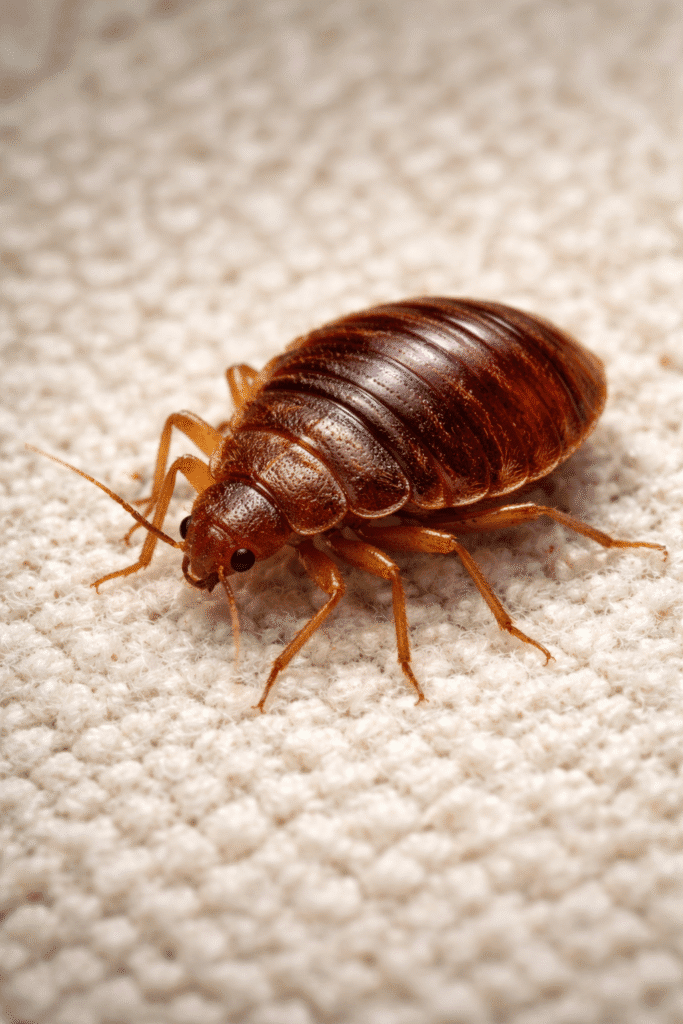
Bed bug control Ajax service treating bed bugs in a home
Ajax Pest Control, Ant Control, Bed Bug Control, Bed bug control North York, Bed bug control oshawa, Bed bug removal in Ajax

Wasp Control Courtice: 9 Proven Wasp Control Solutions

If you are searching for wasp control Courtice because wasps are becoming active around your home, business, deck, garage, shed, roofline, soffit, or yard, identifying the source of the activity is an important first step. Repeated wasp activity around one location can indicate that a nest is nearby, while wasps entering a building can sometimes point to concealed nesting inside a wall, soffit, attic, or another protected space. Courtice properties can provide wasps with numerous nesting opportunities. Roof overhangs, soffits, attics, wall cavities, garages, sheds, decks, porches, fences, trees, landscaping, and other sheltered locations can all become potential nesting areas. Some nests are easy to identify, while others may remain hidden from view. BP Pest Control provides professional pest management services for residential and commercial properties throughout Courtice, Clarington, and Durham Region. Our approach to wasp control Courtice focuses on understanding the source of the activity, identifying potential nesting locations, and determining an appropriate treatment strategy for the specific property. Learn more about BP Pest Control and our pest management services through our official website. What Is Wasp Control Courtice? Wasp control Courtice involves identifying and managing wasp activity around a property while focusing on the source of the problem. Seeing individual wasps does not always tell you where the colony is located. Wasps may travel throughout a property looking for food, water, nesting materials, or suitable nesting locations. However, repeated activity around one specific area can be a useful indication that a nest or access point is nearby. Why Professional Assessment Matters A visible wasp nest underneath an exterior overhang is different from wasps repeatedly entering a small opening around a soffit. Likewise, wasps appearing indoors may indicate that insects have gained access to a concealed area of the building. Understanding these differences is an important part of effective wasp control Courtice. Signs You May Have a Wasp Problem Several warning signs can indicate that professional wasp control Courtice may be appropriate. Repeated Wasp Activity Around One Location If wasps consistently gather around one section of your home or property, pay attention to that location. Rooflines, soffits, decks, garages, sheds, landscaping, trees, and fences can all be associated with wasp activity. Consistent activity can indicate that the insects are travelling to and from a nearby nest. Wasps Entering and Leaving the Same Opening Repeatedly seeing wasps enter and leave the same crack, hole, gap, or structural opening can indicate possible concealed nesting. Potential access points can occur around siding, rooflines, soffits, vents, wall openings, and other exterior features. If you notice this pattern, avoid blocking or disturbing the opening before the source of the activity has been assessed. Visible Wasp Nest Some nests are clearly visible underneath roof overhangs, porch ceilings, decks, garages, sheds, or other sheltered structures. A visible nest should still be approached cautiously because active wasps can defend their nesting area when disturbed. Wasps Inside the Home or Business Repeated wasps indoors can indicate that insects are entering through an exterior opening or that nesting is occurring within a concealed part of the structure. If wasps are repeatedly appearing inside a building, professional assessment can help determine where the activity originates. Wasp Control Courtice for Residential Properties Residential properties throughout Courtice can experience wasp activity around buildings and outdoor living spaces. Homes with decks, patios, garages, sheds, gardens, mature landscaping, roof overhangs, and other sheltered areas can have several potential nesting locations. Professional wasp control Courtice can be particularly useful when wasp activity occurs close to entrances, outdoor seating areas, children’s play spaces, garages, or other frequently used areas. Wasp Nests Near Doors A nest near a front door, back door, side entrance, or garage can become an ongoing concern because residents may have to pass close to the colony. If you discover an active nest near an entrance, keep unnecessary activity away from the area and avoid disturbing the insects. Wasp Activity Around Decks and Patios Decks can contain many sheltered locations beneath boards, stairs, railings, and surrounding structures. Nearby landscaping can also provide potential nesting opportunities. If wasps repeatedly appear around your deck or patio, observe their movement from a safe distance rather than approaching the suspected nest. Wasp Activity Around Garages Garages can provide roof edges, wall gaps, storage areas, and structural openings that may be used by nesting wasps. Repeated activity around a garage may justify a professional inspection to determine whether a nest is present. Commercial Wasp Control Courtice Wasp problems are not limited to residential properties. Businesses throughout Courtice and Clarington can also experience wasp activity around entrances, outdoor spaces, garbage areas, landscaping, loading zones, and building structures. Restaurants, retail stores, offices, warehouses, industrial facilities, rental properties, and other commercial locations may all encounter seasonal wasp activity. For commercial properties, wasp control Courtice should consider how employees, customers, tenants, and visitors use the property. Common Commercial Wasp Problem Areas BP Pest Control provides pest management services for businesses. Learn more through our commercial pest control services. 9 Effective Wasp Control Courtice Strategies 1. Identify Where the Wasps Are Coming From The first step in effective wasp control Courtice is determining the source of the activity. Watch for repeated flight paths and areas where wasps enter or leave a structure. Concentrated activity can provide useful clues about the location of an active nest. 2. Inspect Rooflines and Overhangs Rooflines and overhangs can provide shelter and potential nesting locations. Pay attention to unusual activity around eaves, roof edges, and protected exterior sections. Do not climb toward or physically disturb an active nest. 3. Check Soffits and Fascia Soffits and fascia can contain gaps or protected spaces that allow wasps to access concealed areas. Repeated activity around a soffit should be investigated rather than immediately sealed. 4. Monitor Decks and Outdoor Living Areas Decks, patios, porches, and outdoor seating areas can become problematic when wasps establish nests nearby. Observe the insects from a safe distance and keep children and pets away from an active nesting area. 5. Inspect Garages and Sheds Garages

Cockroach control Oshawa for identifying and managing cockroach infestations
Ajax Pest Control, Ant Control, Bed Bug Control, Bed bug control North York, Bed bug control oshawa, Bed bug removal in Ajax

Wasp Control Bowmanville: 8 Powerful Solutions for Wasp Problems

If you are searching for wasp control Bowmanville because wasps are becoming active around your home, business, garage, shed, deck, roofline, soffit, or yard, understanding the source of the activity is an important first step. Repeated wasp activity around one part of a property can indicate that a nest is nearby, while wasps entering a building may indicate access to a concealed structural space. Bowmanville properties can offer many potential nesting locations for wasps. Roof overhangs, soffits, attics, wall cavities, garages, sheds, decks, porches, fences, trees, landscaping, and other sheltered areas can provide protection for an active colony. Some nests are easy to see, while others may remain hidden behind or inside parts of a structure. BP Pest Control provides professional pest management services for residential and commercial properties throughout Bowmanville, Clarington, and Durham Region. Our approach to wasp control Bowmanville focuses on identifying where the activity is coming from, assessing potential nesting areas, and determining an appropriate treatment strategy for the property. Learn more about our services through the BP Pest Control website. What Is Wasp Control Bowmanville? Wasp control Bowmanville involves identifying and managing wasp activity by determining whether a nest is present, locating potential access points, and addressing the source of the problem when appropriate. Effective wasp control is not simply about dealing with individual wasps. If an active colony remains nearby, wasps can continue appearing around the same property even after individual insects have been removed. Why Finding the Source Matters A visible nest beneath a roof overhang is different from wasps repeatedly entering a wall cavity. Similarly, activity around a soffit or roofline may indicate that wasps are using a concealed space that cannot be seen from the ground. Understanding these differences is an important part of professional wasp control Bowmanville. Signs You May Need Wasp Control Bowmanville Recognizing the warning signs of wasp activity can help property owners determine when professional wasp control Bowmanville may be appropriate. Repeated Wasp Activity If wasps repeatedly gather around one section of your property, pay attention to that location. Rooflines, soffits, decks, garages, sheds, landscaping, trees, and fences can all be associated with wasp activity. Consistent activity can indicate that insects are travelling between the area and a nearby nesting location. Wasps Entering the Same Opening One of the more useful indicators of possible concealed nesting is repeated wasp traffic through the same opening. Wasps may enter small gaps around siding, roofing, soffits, vents, walls, or other exterior features. If you notice this behaviour, avoid blocking or disturbing the opening until the source has been professionally assessed. A Visible Nest Some nests can be seen underneath roof overhangs, porch ceilings, decks, garages, sheds, and other sheltered structures. A visible nest should still be approached cautiously because disturbing an active colony can cause defensive behaviour. Wasps Inside the Building Repeated wasps indoors can indicate that insects are entering through an exterior opening or that nesting may be occurring within a concealed part of the structure. Indoor wasp activity should be investigated rather than assuming the visible insects are the entire problem. Wasp Control Bowmanville for Residential Properties Homes throughout Bowmanville can experience wasp activity around buildings and outdoor living areas. Properties with decks, patios, garages, sheds, gardens, mature landscaping, roof overhangs, and other sheltered areas can have multiple potential nesting locations. Professional wasp control Bowmanville can be particularly useful when wasp activity occurs near entrances, outdoor seating areas, play spaces, garages, or other frequently used areas. Wasp Nests Near Entrances A nest close to a front door, back door, side entrance, or garage can become an ongoing concern because people may have to pass near the colony. If you find active wasps close to an entrance, keep unnecessary activity away from the affected area and avoid disturbing the nest. Wasp Activity Around Decks and Patios Decks can provide sheltered areas beneath boards, stairs, railings, and surrounding structures. Landscaping around outdoor living areas can also provide potential nesting locations. If wasps repeatedly appear around a deck or patio, observe their movement from a safe distance rather than approaching the suspected nest. Wasp Activity Around Garages and Sheds Garages and sheds can contain roof edges, wall gaps, storage areas, and structural openings that may provide suitable nesting conditions. Repeated activity around these structures can justify professional assessment to determine whether a nest is nearby or concealed. Commercial Wasp Control Bowmanville Wasp activity can also affect businesses throughout Bowmanville and Clarington. Restaurants, retail stores, offices, warehouses, industrial facilities, rental properties, and other commercial buildings can experience wasps around entrances, garbage areas, landscaping, loading zones, and outdoor spaces. For commercial properties, wasp control Bowmanville should take into account how customers, employees, tenants, and visitors use the property. Common Commercial Wasp Problem Areas BP Pest Control provides pest management services for businesses. Learn more through our commercial pest control services. 8 Powerful Wasp Control Bowmanville Solutions 1. Identify the Source of Wasp Activity The first step in effective wasp control Bowmanville is determining where the insects are coming from. Watch for repeated flight paths and locations where wasps enter or leave structures. Concentrated activity can provide useful clues about the possible location of a colony. 2. Inspect Rooflines and Overhangs Rooflines and overhangs can provide sheltered areas for wasp nesting. Pay attention to unusual activity around eaves, roof edges, and protected exterior sections. Do not climb toward or physically disturb an active nest. 3. Check Soffits and Fascia Soffits and fascia can contain openings that allow wasps to access concealed spaces. Repeated activity around a soffit may be an indication of possible nesting. Do not immediately seal an active opening without understanding where the insects are coming from. 4. Monitor Outdoor Living Areas Decks, patios, porches, and outdoor seating areas should be monitored when wasp activity increases. Wasps may establish nests underneath structures or nearby in landscaping. Keep children and pets away from active nesting areas. 5. Inspect Garages and Sheds Garages and sheds can provide sheltered spaces for nesting. Roof edges, doors,
Pest control near me in Clarington for common residential pest concerns.
Ajax Pest Control, Ant Control, Bed Bug Control, Bed bug control North York, Bed bug control oshawa, Bed bug removal in Ajax

Wasp Exterminator Whitby: 7 Trusted Removal Solutions

If you are looking for a wasp exterminator Whitby because you have noticed wasps around your home, business, garage, deck, roofline, soffit, shed, or yard, the most important step is to determine where the activity is coming from. A few wasps flying around a property may not always indicate a nest, but repeated activity around the same location can be a sign that a colony is nearby. Whitby properties offer many potential nesting locations for wasps. Roof overhangs, soffits, attics, wall cavities, decks, porches, garages, sheds, trees, landscaping, fences, and other protected spaces can all provide shelter. Some nests are easy to see, while others can be concealed inside a structure. BP Pest Control provides professional pest management services for residential and commercial properties in Whitby and surrounding Durham Region communities. When property owners need a wasp exterminator Whitby, professional assessment can help identify the source of the activity and determine the most appropriate treatment approach. Learn more about our services through the BP Pest Control website. What Does a Wasp Exterminator Whitby Do? A professional wasp exterminator Whitby does more than deal with individual wasps that happen to be visible. Effective wasp management starts by understanding the activity around the property and determining whether an active nest is present. Wasps may travel considerable distances from a nest while searching for food and returning to the colony. However, when insects repeatedly appear around the same structural opening or outdoor location, that area deserves closer attention. Finding the Source of Wasp Activity Professional pest control can involve looking for flight patterns, repeated entry and exit points, visible nests, and areas that provide shelter. A nest may be located underneath an overhang or deck, or it may be concealed inside a wall, soffit, attic, roof area, garage, or shed. Understanding the Nesting Location The location of a nest can affect how it should be approached. A nest under a porch may require different considerations than a colony located inside a wall cavity. This is one reason professional assessment is important when searching for a wasp exterminator Whitby. Signs You May Need a Wasp Exterminator Whitby Several signs can indicate that professional wasp treatment may be appropriate for your Whitby property. Wasps Keep Returning to One Area If you repeatedly see wasps around the same part of your home or business, there may be a nest nearby. Pay particular attention to roof edges, soffits, walls, decks, garages, sheds, landscaping, and other sheltered locations. Wasps Are Entering a Small Opening Repeatedly seeing wasps disappear into a small gap in siding, roofing, soffits, fascia, or another exterior structure can indicate concealed activity. Do not immediately seal the opening if wasps are actively using it. The source should be assessed first. You Find a Visible Nest Some nests can be found under roof overhangs, porch ceilings, decks, sheds, garages, or other protected structures. An active nest should not be disturbed simply because it appears accessible. Wasps may become defensive when their nesting area is threatened. Wasps Are Appearing Indoors Repeated wasps inside a house or commercial building can indicate an exterior entry point or concealed nesting activity. If the insects are repeatedly appearing in the same room or around the same section of a building, professional assessment can help identify possible sources. Residential Wasp Exterminator Whitby Services Homes throughout Whitby can encounter wasp activity around both indoor and outdoor areas. Properties with decks, gardens, garages, sheds, roof overhangs, mature trees, fences, and landscaped yards can provide multiple potential nesting locations. A professional wasp exterminator Whitby can assess the specific conditions of the property instead of relying on a one-size-fits-all approach. Wasp Nests Around Front and Back Entrances Wasps nesting near frequently used doors can create a recurring problem for homeowners. Residents may unknowingly pass close to an active colony several times a day. If you discover wasps around an entrance, keep unnecessary activity away from the suspected nesting area. Wasp Activity Around Decks and Patios Decks and patios contain many sheltered areas where wasps may establish nests. Under decking, around stairs, beneath railings, and near adjacent landscaping are locations worth observing. Do not reach underneath a deck or into an enclosed space if you suspect an active nest. Wasp Activity Around Garages Garages can contain roof edges, storage areas, wall gaps, and other sheltered spaces. Wasps may use these locations for nesting or gain access to concealed cavities. Repeated activity around a garage can justify professional pest inspection. Commercial Wasp Exterminator Whitby Services Businesses in Whitby can also experience wasp activity. Commercial properties may have large exterior areas, landscaped entrances, garbage storage, loading zones, outdoor seating, rooflines, and other spaces where wasps may become active. For businesses searching for a wasp exterminator Whitby, the location of the activity and how people use the property are important considerations. Common Commercial Wasp Locations BP Pest Control provides pest management services for businesses. Learn more about our commercial pest control services. 7 Trusted Wasp Removal Solutions 1. Wasp Identification and Assessment The first step in professional wasp exterminator Whitby services is understanding the insect and the nature of the activity. Different types of wasps can have different nesting habits. Identifying the pest can help guide the assessment and treatment process. 2. Nest Location Inspection Locating the nest is an important part of professional wasp management. Visible nests are easier to identify, while concealed colonies can require closer examination of likely entry points. Areas such as soffits, rooflines, walls, attics, garages, sheds, decks, and other protected spaces may need to be considered. 3. Roofline and Soffit Assessment Roof edges and soffits can provide sheltered locations for wasp activity. Wasps may also use small gaps to reach protected areas. Repeated activity around these locations should be professionally assessed rather than physically disturbed. 4. Wall and Structural Cavity Assessment Wasps can sometimes enter a structure through a small exterior opening and establish a colony in a concealed cavity. If insects repeatedly enter the same opening, a professional wasp exterminator Whitby can

Pest control near me in Bowmanville for household pest management and prevention.
Ajax Pest Control, Ant Control, Bed Bug Control, Bed bug control North York, Bed bug control oshawa, Bed bug removal in Ajax

Wasp Exterminator Oshawa: 9 Expert Treatment Options

If you are searching for a wasp exterminator Oshawa because wasps are repeatedly appearing around your home, business, deck, garage, shed, roofline, soffit, or yard, identifying the source of the activity is an important first step. Repeated wasp activity around one area can indicate an active nest nearby, while wasps entering a building may indicate that they have gained access to a concealed structural space. Oshawa properties can provide many potential nesting locations for wasps. Roof overhangs, soffits, attics, wall cavities, garages, sheds, decks, porches, trees, fences, landscaping, and other sheltered spaces can all become potential nesting areas. Some nests are clearly visible, while others may remain hidden inside walls or other protected parts of a structure. BP Pest Control provides professional pest management services for residential and commercial properties throughout Oshawa and surrounding Durham Region communities. When property owners need a wasp exterminator Oshawa, our approach focuses on understanding the source of wasp activity, identifying potential nesting areas, and determining an appropriate treatment strategy. Learn more about our pest management services through the BP Pest Control website. What Does a Wasp Exterminator Oshawa Do? A professional wasp exterminator Oshawa focuses on more than simply removing individual wasps that are visible around a property. The goal is to understand where the insects are coming from and whether an active colony is present. When wasps repeatedly appear around one location, they may be travelling between that area and a nearby nest. The nest may be visible underneath a roof overhang, or it may be concealed inside a wall, soffit, attic, garage, shed, or another protected space. Why Professional Identification Matters Different types of wasps can have different nesting behaviours. Identifying the insect and understanding its nesting location can help determine the appropriate treatment considerations. This is why professional wasp exterminator Oshawa services should begin with an assessment rather than focusing only on visible insects. Signs You May Need a Wasp Exterminator Oshawa Several warning signs can indicate that professional wasp extermination may be appropriate. Repeated Wasp Activity If wasps repeatedly gather around the same section of your property, pay attention to the location. Rooflines, soffits, decks, garages, sheds, landscaping, trees, and fences can all be associated with nesting activity. Consistent activity can indicate that the insects are travelling to and from a nearby colony. Wasps Entering the Same Opening Repeatedly seeing wasps enter and leave the same crack, gap, hole, or structural opening can indicate possible concealed nesting. Potential entry points may occur around siding, rooflines, soffits, vents, walls, and other exterior features. If you observe this activity, avoid blocking or disturbing the opening until the source has been properly assessed. A Visible Wasp Nest Some nests can be seen beneath roof overhangs, porch ceilings, decks, garages, sheds, and other sheltered structures. A visible nest should still be approached cautiously because active wasps may defend their nesting area when disturbed. Wasps Inside Your Home Repeated wasps indoors can indicate that insects are entering through an exterior opening or that nesting is occurring within a concealed part of the building. If wasps continue appearing indoors, professional assessment can help determine where the activity originates. Residential Wasp Extermination in Oshawa Homes throughout Oshawa can experience wasp activity around both buildings and outdoor areas. Properties with decks, patios, garages, sheds, gardens, mature landscaping, roof overhangs, and other sheltered spaces can have multiple potential nesting locations. A professional wasp exterminator Oshawa can assess the location and conditions surrounding the activity to determine what may be contributing to the problem. Wasp Nests Near Entrances A nest close to a front door, back door, side entrance, or garage can become an ongoing concern because residents may need to pass close to the colony. If an active nest is located near an entrance, keep unnecessary activity away from the area and avoid disturbing the insects. Wasp Activity Around Decks Decks can provide sheltered areas underneath boards, stairs, railings, and nearby structures. Landscaping around patios and decks can also provide potential nesting locations. If wasps repeatedly appear around your deck, observe their movement from a safe distance rather than approaching the suspected nest. Wasp Activity Around Garages Garages can contain roof edges, wall gaps, storage areas, and structural openings that may provide suitable nesting conditions. Repeated activity around a garage may justify professional pest assessment. Commercial Wasp Exterminator Oshawa Services Wasp activity can affect commercial properties as well as homes. Restaurants, retail stores, offices, warehouses, industrial facilities, rental properties, and other businesses can encounter wasps around entrances, garbage areas, landscaping, loading zones, rooflines, and outdoor spaces. For businesses, choosing a professional wasp exterminator Oshawa should involve considering the location of the activity and how employees, customers, tenants, and visitors use the property. Common Commercial Wasp Problem Areas BP Pest Control provides pest management services for commercial properties. Learn more about our commercial pest control services. 9 Expert Wasp Treatment Options 1. Professional Wasp Identification The first treatment consideration is understanding what type of stinging insect is present. A professional wasp exterminator Oshawa can assess the insects and their behaviour to help determine the nature of the problem. Identification can be useful because different wasps can have different nesting habits. 2. Locate the Nest Finding the source of the activity is an important part of professional wasp extermination. Repeated flight patterns and entry points can provide clues about the location of an active colony. The nest may be visible or concealed inside a structural space. 3. Assess Roofline Nesting Roof edges, eaves, overhangs, and other elevated areas can provide sheltered nesting opportunities. These areas should be assessed carefully without physically disturbing an active colony. 4. Assess Soffit and Attic Activity Wasps may access concealed areas around soffits and roof structures. Repeated activity around these locations can indicate possible nesting within a protected cavity. 5. Assess Wall Cavities Wasps entering a wall through a small opening can be difficult for homeowners to investigate. A professional assessment can help determine whether repeated insect traffic is associated with concealed nesting. 6. Assess

Pest control near me in Oshawa for identifying and managing common household pests.
Ajax Pest Control, Ant Control, Bed Bug Control, Bed bug control North York, Bed bug control oshawa, Bed bug removal in Ajax

9 Powerful Wasp Nest in House Solutions for Ontario Homes

Finding a wasp nest in house can be unsettling, especially when wasps are appearing indoors, around windows, near doors, inside walls, or around other areas of your home. A wasp nest in house may be located somewhere obvious, but in many situations the nest can remain hidden inside a wall cavity, attic, roofline, soffit, chimney area, or another protected space. When homeowners discover a wasp nest in house, the first priority should be understanding where the wasps are coming from. Simply removing individual wasps that enter a room may not solve the underlying problem if an active nest is located somewhere inside or around the structure. Wasps can use small openings around roofing, siding, soffits, vents, windows, doors, utility penetrations, and other exterior areas to access sheltered spaces. Once inside a protected area, they may establish a nest that is difficult for a homeowner to see. This guide explains how to recognize a wasp nest in house, common locations where wasps may establish nests, warning signs to watch for, what homeowners should avoid doing, how professional wasp treatment works, and how to reduce the likelihood of future nesting. If you are dealing with wasp activity around your property, BP Pest Control provides professional pest management services for residential and commercial properties throughout Oshawa, Durham Region, and surrounding Ontario communities. What Does a Wasp Nest in House Mean? A wasp nest in house generally means that wasps have found a protected location within or directly connected to the structure where they can establish nesting activity. The phrase can describe several different situations. A nest may actually be inside a wall cavity, attic, roof space, soffit, chimney, garage connection, or another enclosed part of the property. In other cases, the nest may be outside but positioned immediately beside an entry point into the home. Because wasps can use small openings, homeowners may see insects indoors without immediately seeing the nest. Seeing Wasps Indoors Does Not Always Mean the Nest Is in the Room If you find several wasps inside your home, it does not necessarily mean that the nest is located directly inside the room where you found them. Wasps may enter living spaces through gaps or openings from a concealed nesting area. The source could be inside a wall, above a ceiling, within an attic, around a roofline, or near another structural opening. This is why locating the source of the activity is important when dealing with a potential wasp nest in house. 9 Common Places to Find a Wasp Nest in House 1. Wall Cavities One of the more difficult situations is a wasp nest in house located inside a wall cavity. Wasps may enter through an exterior gap and establish a nest within the protected space. From inside the home, residents may notice wasps appearing around windows, vents, light fixtures, baseboards, ceilings, or other openings. If wasps repeatedly appear in one particular room, this can provide useful information to a pest professional investigating the source. Do not open a wall simply because you suspect a nest is inside. Professional assessment can help determine where the activity is originating before structural work is considered. 2. Attic Spaces An attic can provide a sheltered environment for wasp nesting. If you notice wasps around attic access points, ceiling openings, roof vents, or upper areas of the home, an attic or roof-related nesting location may need to be considered. A wasp nest in house located in an attic can be particularly difficult for homeowners to access safely because of insulation, limited walking surfaces, roofing components, and the possibility of disturbing the nest. Homeowners should avoid entering a confined attic space to investigate an active nest without appropriate professional guidance. 3. Rooflines Rooflines provide numerous sheltered areas where wasps may establish nests. Gaps around roof edges, soffits, fascia, vents, and other exterior components can provide access to protected areas. If wasps repeatedly fly toward one section of the roof and disappear into an opening, this may be an important clue when investigating a wasp nest in house. 4. Soffits and Eaves Soffits and eaves can offer protection from weather and disturbance. Wasps entering and exiting a soffit opening repeatedly may indicate that a nest is located inside the structure or immediately behind the exterior covering. Do not seal an active entry point before the nesting situation has been assessed. Blocking an opening without understanding what is happening inside can complicate the problem. 5. Garages Attached garages can provide multiple potential nesting locations. Wasps may be noticed around garage doors, roof edges, storage areas, ceiling spaces, wall cavities, or exterior openings. A wasp nest in house does not necessarily have to be inside the main living area. An attached garage can also be connected to the structure and may require professional assessment. 6. Chimney and Vent Areas Chimney surrounds and ventilation areas can provide sheltered spaces that may attract insects. If wasps are repeatedly appearing near a chimney, vent, roof opening, or upper section of the home, the surrounding structure should be inspected carefully. Avoid attempting to reach into a chimney or vent to investigate an active nest. 7. Around Windows and Doors Windows and doors have numerous seams, frames, screens, and exterior gaps that may provide potential access points. Wasps gathering repeatedly around one window or doorway may be responding to food sources, but repeated traffic toward a specific opening can also warrant investigation. If a wasp nest in house is suspected near an entrance, keep household members away from the affected area while the situation is assessed. 8. Behind Siding Damaged or separated siding can create protected spaces that wasps may use for access. Wasps repeatedly entering behind siding can be difficult to manage because the nest itself may not be visible. A professional inspection can help determine whether the activity is connected to an active nest behind the exterior surface. 9. Other Protected Structural Areas Wasps can potentially use many sheltered spaces around a property. Other areas worth considering include: When

Pest control near me in Whitby with pest prevention options for residential properties.
Ajax Pest Control, Ant Control, Bed Bug Control, Bed bug control North York, Bed bug control oshawa, Bed bug removal in Ajax

7 Proven Wasp Nest in Wall Removal Solutions for Ontario Homes

Discovering a wasp nest in wall can be especially concerning because the nest may be completely hidden from view. Homeowners may notice wasps appearing indoors, hear activity inside a wall, or see wasps repeatedly entering and leaving a small opening on the exterior of the property. When this happens, the visible insects may only be a symptom of a larger nesting problem. A wasp nest in wall can develop when wasps find an opening around siding, soffits, rooflines, vents, utility penetrations, windows, doors, or other exterior areas. Once inside a protected cavity, wasps may establish a nest where it is difficult for homeowners to see or safely access it. Trying to solve a wasp nest in wall without identifying the source can create additional complications. Spraying an opening, opening the wall, or sealing an active entry point may not address the actual nesting area. Professional assessment can help determine what is happening before treatment or structural repairs are attempted. This guide explains the signs of a wasp nest in wall, common entry points, what homeowners should avoid, professional treatment considerations, prevention strategies, and when it may be appropriate to contact a pest-control professional. BP Pest Control provides professional pest management services for residential and commercial properties throughout Oshawa, Durham Region, and surrounding Ontario communities. You can also explore the company’s pest control services. What Is a Wasp Nest in Wall? A wasp nest in wall is a nest established inside a wall cavity or another enclosed structural space connected to the wall. Exterior walls can contain cavities created by framing, siding systems, insulation, utility penetrations, and other building components. If wasps gain access to one of these protected areas, they may find shelter suitable for nesting. The nest itself may not be visible from inside or outside the home. Instead, homeowners may notice: These signs do not automatically prove that a wasp nest in wall exists, but they can justify further investigation. How Does a Wasp Nest in Wall Develop? Wasps need access to a protected location where they can establish and maintain a nest. A small opening in an exterior surface can sometimes provide access to a wall cavity. Common Access Points Potential access points can include: Once wasps have established a nest inside a protected cavity, the insects may continue travelling through the same opening. This repeated traffic can make the entry point easier to identify, but the nest itself may remain hidden. Signs of a Wasp Nest in Wall 1. Wasps Appearing Indoors Repeatedly One of the most noticeable signs of a potential wasp nest in wall is repeatedly finding wasps inside the home. If wasps continue appearing indoors despite closed windows and doors, investigate how they may be gaining access to the living space. Pay attention to whether the wasps are concentrated around a particular wall, window, ceiling area, vent, or light fixture. 2. Wasps Entering the Same Exterior Opening If you can safely observe wasps repeatedly entering the same opening in siding, brickwork, soffit, or another exterior surface, this can be an important clue. Do not approach the opening closely or disturb the insects. 3. Buzzing Inside a Wall Some homeowners report hearing buzzing or insect activity inside a wall. Sound alone cannot confirm a wasp nest in wall, but it can be useful information when combined with visible wasp activity. 4. Concentrated Wasp Activity If wasps repeatedly gather around one side of the home or one section of the exterior, the concentration may warrant professional assessment. 5. Wasps Around Windows Repeated wasp activity around one window can sometimes indicate an opening or concealed nesting location nearby. However, wasps can also be attracted to light or outdoor food sources, so the behaviour should be considered in context. 6. Wasps Around Soffits and Rooflines Wall cavities often connect with other protected parts of a building. Wasps entering through a roofline or soffit can potentially gain access to enclosed spaces behind exterior surfaces. Where Can a Wasp Nest in Wall Be Located? A wasp nest in wall can potentially occur in different sections of a home’s exterior structure. Exterior Walls Exterior wall cavities can provide sheltered spaces where wasps may establish nests. Walls Near Rooflines Upper wall areas can be connected to soffits and roof spaces, creating potential pathways for insect access. Walls Near Windows Small gaps around windows can potentially provide access to protected spaces behind exterior surfaces. Walls Near Doors Door frames and surrounding exterior components can contain seams and openings that require proper maintenance. Walls Near Utility Lines Utility penetrations can create potential openings around the exterior of a building. Walls Behind Siding Wasps may potentially gain access behind siding through gaps or damaged sections. Why a Wasp Nest in Wall Is Difficult to Treat A wasp nest in wall is different from a visible nest hanging from a tree or sheltered exterior surface. The biggest challenge is that the nest may not be directly accessible. The Nest Is Hidden Homeowners may only see the wasps entering and leaving the structure. The Entry Point May Be Small A relatively small exterior opening may provide access to a larger concealed cavity. Opening the Wall May Not Be Necessary Homeowners should not automatically cut into drywall or remove siding simply because they suspect nesting. A professional assessment can help determine whether the source can be addressed without unnecessary structural disturbance. Should You Seal a Wasp Nest in Wall? If wasps are actively using an opening, immediately sealing it is generally not the first step to take. A homeowner may think that blocking the entrance will solve the problem, but the insects could remain inside the cavity or potentially seek another route. When dealing with a suspected wasp nest in wall, it is better to determine what is happening inside the structure before sealing an active opening. Once the active pest issue has been appropriately addressed, suitable structural maintenance can be considered. Should You Spray a Wasp Nest in Wall? Spraying a visible opening does not

Pest control near me in Ajax for household pest inspection and management.
Ajax Pest Control, Ant Control, Bed Bug Control, Bed bug control North York, Bed bug control oshawa, Bed bug removal in Ajax

9 Proven Wasp Nest in Attic Treatment Solutions for Ontario Homes

Discovering a wasp nest in attic can be concerning because attic spaces are enclosed, elevated, and often difficult for homeowners to inspect safely. You may notice wasps flying around an attic access point, appearing near ceiling fixtures, entering through roof vents, or repeatedly travelling around one section of the roof. In some cases, the nest itself may remain hidden from normal view. A wasp nest in attic can develop when wasps find an opening around the roofline, soffit, fascia, vent, flashing, siding, or another exterior component that provides access to a protected space. Once inside, the attic can offer shelter from weather and disturbance. Finding a wasp nest in attic does not necessarily mean that wasps will remain inside the living areas of the home. However, if there are openings between the attic and occupied spaces, individual wasps may occasionally enter the house. This guide explains how to recognize a wasp nest in attic, where attic nests may be located, common warning signs, what homeowners should avoid doing, professional treatment considerations, prevention strategies, and when professional pest management may be appropriate. BP Pest Control provides professional pest management services for residential and commercial properties throughout Oshawa, Durham Region, and surrounding Ontario communities. You can also explore the company’s pest control services. What Is a Wasp Nest in Attic? A wasp nest in attic is a nest established within an attic or another protected upper section of a building. Attics can contain numerous areas that may provide shelter, including roof spaces, framing cavities, insulation areas, corners, ventilation structures, and spaces around exterior openings. Wasps may gain access through exterior gaps and establish nesting activity in a protected location. Because attic spaces are often dark and difficult to access, homeowners may not see the nest immediately. Instead, they may notice insects travelling through the space or entering the home. How Do Wasps Get Into an Attic? A wasp nest in attic can begin when wasps find an opening that allows them to enter the roof or attic area. Roofline Gaps Openings around roof edges can potentially provide access to protected spaces. Soffit Openings Soffits can connect exterior areas with roof and attic spaces. Gaps or damaged sections may provide potential access. Roof Vents Ventilation areas can sometimes become points of insect access when damaged or improperly protected. Fascia and Eaves Gaps around fascia boards and eaves can create sheltered access points. Damaged Exterior Materials Damage to roofing, siding, soffits, or other exterior components can create opportunities for insects to enter protected spaces. 9 Signs of a Wasp Nest in Attic 1. Wasps Around the Attic Entrance If you repeatedly see wasps around an attic access point, it may be worth investigating whether the insects are coming from the attic or simply travelling through the area. Repeated activity does not automatically confirm a wasp nest in attic, but it can be useful information for a pest professional. 2. Wasps Around Roof Vents Repeated activity around one roof vent can indicate that insects are using an opening or sheltered area nearby. Do not climb onto the roof to investigate an active nest. 3. Wasps Entering the Roofline One of the more useful signs is repeated wasp traffic toward a specific part of the roofline. If you can safely observe wasps entering and leaving one exterior opening from the ground, record the location and provide the information to a professional. 4. Wasps Appearing Indoors Wasps found inside the home can sometimes be associated with activity in the attic or roof structure. However, indoor wasps can also enter through open doors, windows, screens, or other openings, so this sign alone does not prove there is a wasp nest in attic. 5. Repeated Wasp Activity Near the Ceiling If wasps repeatedly appear near upper walls, ceilings, attic doors, or light fixtures, the surrounding structure may warrant investigation. 6. Buzzing or Insect Activity Some homeowners may notice buzzing from an upper wall or ceiling area. Sound by itself does not confirm a nest, but combined with visible wasp activity it may provide useful information. 7. Increased Activity Around the Roof A concentration of wasps around one section of a roof can indicate a nearby nesting location. 8. Multiple Wasps Around One Opening Repeated traffic through one opening is more significant than seeing occasional individual wasps throughout the property. 9. A Visible Nest If a nest can be seen from a safe location inside or around the attic, do not approach it. A visible wasp nest in attic should be treated as an active pest-management concern until its status has been properly assessed. Where Can a Wasp Nest in Attic Be Located? A wasp nest in attic can potentially occur in several different areas. Roof Framing Areas Protected spaces around roof framing can provide shelter. Near Attic Vents Ventilation areas can be associated with insect activity when access is available. Near Soffits Wasps may potentially move from an exterior soffit opening into an adjacent protected space. Near Roof Edges Roof edges can contain gaps and sheltered areas that may be used for access. Behind Insulation Insulation can make a nest difficult to see. Homeowners should not move insulation around simply to search for an active nest. Around Structural Openings Utility penetrations, vents, framing gaps, and other openings may create potential pathways into an attic. Why a Wasp Nest in Attic Can Be Difficult to Treat A wasp nest in attic can present several challenges that are different from an easily accessible exterior nest. Limited Access Attics may have restricted walking areas, low ceilings, insulation, and structural obstacles. Risk of Disturbance Moving materials around an active nest can disturb the insects. Elevated Location Accessing roof and attic areas can involve ladders or other elevated surfaces, creating additional safety concerns. Hidden Nesting The nest may be behind insulation, near framing, or in another area that is not immediately visible. Connected Structural Spaces The attic may connect with soffits, rooflines, wall cavities, and other building components. For these reasons, professional assessment

Box elder bug Whitby pest control and professional prevention service
Ajax Pest Control, Ant Control, Bed Bug Control, Bed bug control North York, Bed bug control oshawa, Bed bug removal in Ajax

9 Powerful Wasp Nest in Roof Removal Solutions for Ontario Homes

Finding a wasp nest in roof can be a serious concern for homeowners, especially when wasps are repeatedly flying around the roofline, soffits, eaves, vents, or upper sections of the property. A wasp nest in roof may be visible from the ground, but in many situations the nest can be concealed inside a roof cavity, behind exterior materials, or near another protected structural area. A wasp nest in roof can develop when wasps find an opening that provides access to a sheltered space. Roof edges, soffits, fascia, vents, eaves, siding connections, and other exterior components can potentially provide routes into protected areas. Homeowners may not always see the nest itself. Instead, they may notice repeated wasp activity around one section of the roof, wasps entering and leaving an opening, or individual wasps appearing inside the upper levels of the home. If you suspect a wasp nest in roof, understanding the warning signs and avoiding unnecessary disturbance can help reduce the chance of accidental encounters. Professional inspection can also help determine whether the activity is actually coming from the roof or from another nearby nesting location. This guide explains common signs of a wasp nest in roof, potential nesting locations, roof entry points, treatment considerations, DIY risks, prevention strategies, and when professional pest management may be appropriate. BP Pest Control provides professional pest management services for residential and commercial properties throughout Oshawa, Durham Region, and surrounding Ontario communities. You can also explore the company’s pest control services. What Is a Wasp Nest in Roof? A wasp nest in roof is a nest established within or directly connected to a roof structure, roof cavity, roofline, or another protected space associated with the upper part of a building. Roof systems contain many areas that can potentially provide shelter. Depending on the construction of the property, these may include roof voids, spaces around vents, soffits, fascia, eaves, framing areas, and connections between roofing and exterior walls. Wasps may enter through an exterior opening and establish a nest in a protected location. The nest may be difficult to see from inside or outside the home, which is why repeated activity around one roof section can be an important clue. How Do Wasps Get Into a Roof? A wasp nest in roof can begin when wasps discover an opening that allows access to a sheltered space. Roofline Gaps Gaps around roof edges can provide potential access to protected areas. Soffit Openings Soffits can connect exterior areas with roof and attic spaces. Damaged or separated soffit components may create potential entry points. Fascia Gaps Openings around fascia and eaves can provide sheltered access. Roof Vents Roof ventilation areas may become associated with insect activity when openings or damaged components provide access. Flashing and Roof Connections Areas where roofing materials connect with walls, chimneys, vents, or other structures may contain potential access points that should be maintained appropriately. Damaged Exterior Materials Damage to roofing, siding, soffits, fascia, or related exterior components can create opportunities for insects to enter protected spaces. 9 Signs of a Wasp Nest in Roof 1. Repeated Wasps Around One Roof Section One of the most useful signs of a potential wasp nest in roof is repeated activity around the same area of the roof. If wasps repeatedly fly toward one roof edge and disappear, this may indicate an entry point or nesting location nearby. Observe from the ground rather than climbing onto the roof. 2. Wasps Entering the Roofline Repeated wasp traffic through one opening can be an important clue. If you notice this behaviour, remember the location and share the information with a pest professional. 3. Wasps Around Soffits Wasp activity around soffits can sometimes be associated with nesting inside protected roof or wall spaces. 4. Wasps Around Eaves Eaves provide sheltered areas where wasps may potentially establish nests or gain access to protected spaces. 5. Wasps Around Roof Vents Repeated activity near one roof vent may indicate that insects are using an opening or sheltered space nearby. Do not climb onto the roof to investigate. 6. Wasps Appearing Upstairs Wasps appearing repeatedly in upper-level rooms can sometimes be associated with activity around the roof or attic. However, indoor wasps can have many possible entry routes, so this sign should be considered together with other observations. 7. Buzzing Near the Ceiling Some homeowners may notice buzzing around upper walls or ceilings. Sound alone does not confirm a wasp nest in roof, but combined with visible activity it can provide useful information during an inspection. 8. Increased Roof Activity During Warm Weather Wasp activity can become more noticeable during warmer periods when insects are actively foraging and maintaining nests. 9. Visible Nest A visible nest around a roofline should not be disturbed. Even when a nest looks inactive, avoid touching or removing it until its status has been properly assessed. Where Can a Wasp Nest in Roof Be Located? A wasp nest in roof can potentially occur in several protected areas. Inside Roof Cavities Enclosed roof spaces can provide shelter from weather and disturbance. Near Soffits Soffit areas can connect with roof and attic spaces. Near Eaves Eaves provide sheltered edges around the roof. Behind Fascia Gaps around fascia can potentially provide access to protected spaces. Near Roof Vents Vent areas can be potential access points when appropriately protected components are damaged or open. Near Chimneys The areas surrounding chimneys can contain multiple structural connections and should be inspected carefully when wasp activity is concentrated nearby. Where the Roof Meets the Wall Connections between exterior walls and roofing materials can contain gaps or sheltered spaces that may be used by insects. Why a Wasp Nest in Roof Can Be Difficult to Treat A wasp nest in roof presents challenges because roof areas can be difficult and dangerous for homeowners to access. Roof Access Risks Climbing onto a roof to reach a nest creates a fall hazard, particularly when the surface is steep, wet, damaged, or otherwise difficult to navigate. Hidden Nesting The nest

Box elder bug treatment Oshawa pest control for box elder bugs around homes
Ajax Pest Control, Ant Control, Bed Bug Control, Bed bug control North York, Bed bug control oshawa, Bed bug removal in Ajax

Wasp Nest in Soffit: 7 Trusted Treatment Options

Finding a wasp nest in soffit can be concerning for homeowners because soffits provide wasps with a protected, sheltered area that can be difficult to inspect from the ground. A wasp nest in soffit may remain hidden while wasps repeatedly enter and leave through small openings around the roofline, eaves, vents, or other exterior gaps. When you notice increased wasp activity around your roofline, eaves, or soffits, it is important not to assume the nest is somewhere obvious. A wasp nest in soffit can be concealed behind panels, near ventilation openings, or within cavities connected to the attic. Attempting to disturb an active nest without knowing its exact location can increase the chance of defensive wasp activity. For homeowners dealing with a wasp nest in soffit in Oshawa, Whitby, Ajax, Courtice, Bowmanville, Pickering, Clarington, or surrounding Durham Region communities, understanding where wasps nest, why they choose soffits, and how professional treatment works can help you make a safer decision. BP Pest Control provides pest management services for residential and commercial properties throughout the Durham Region and GTA. The company focuses on identifying the source of wasp activity and selecting an appropriate treatment approach based on the location and accessibility of the nest. What Is a Wasp Nest in Soffit? A wasp nest in soffit is a nest established in or around the soffit system beneath the edge of a roof. The soffit is the underside section of the roof overhang, and it commonly contains ventilation openings or connects to other roof and attic spaces. Wasps may find soffits attractive because these areas can provide shelter from rain, wind, direct exposure, and some predators. Depending on the species, a colony may establish a nest behind a soffit panel or use an opening to access a protected cavity. Why Soffits Can Attract Wasps A soffit can offer several conditions that make it suitable for nesting. Small gaps, protected cavities, ventilation areas, and connections to roof structures can give wasps access to relatively undisturbed spaces. Once a colony establishes itself, workers may repeatedly travel between the nest and outdoor areas. This can create a noticeable flight path near the side of a home even when the actual nest cannot be seen. Why the Nest May Not Be Visible One of the biggest challenges with a wasp nest in soffit is that the visible wasps may only reveal the entrance rather than the actual nest. You may see several wasps entering a small opening beneath the roofline without seeing any nest material. The colony may be positioned behind the soffit or deeper inside a connected cavity. This is why simply sealing the visible opening can be problematic when an active colony is still present. Proper identification and treatment should be considered before exclusion work is completed. 7 Trusted Treatment Options for a Wasp Nest in Soffit There is no single treatment approach that is appropriate for every wasp nest in soffit. The correct method depends on the wasp species, nest location, accessibility, colony activity, and construction of the property. 1. Professional Inspection of the Soffit Area The first step in dealing with a wasp nest in soffit is identifying where the wasps are actually entering and leaving. A professional inspection can focus on areas such as soffit seams, ventilation openings, fascia connections, roof edges, eaves, attic vents, and other potential entry points. For homeowners who are unsure whether the activity is coming from the soffit, a professional pest control inspection can help determine the likely source. 2. Targeted Wasp Nest Treatment When an active wasp nest in soffit is identified, treatment can be directed toward the nesting area rather than simply treating random locations around the property. Targeted treatment is important because spraying visible wasps outside does not necessarily address the colony. The objective of professional pest management is to address the source of the activity while minimizing unnecessary treatment of surrounding areas. Treatment methods should always be selected according to the pest species, nest location, property conditions, and applicable product-label requirements. 3. Treatment Around the Wasp Entry Point In some situations, the most useful treatment area is associated with the opening that wasps are using to access the soffit cavity. A wasp nest in soffit may have a relatively small entrance, making it difficult for homeowners to determine how large the hidden nesting area is. A professional can assess the entry point and determine whether treatment should be directed toward that location or whether additional inspection is required. 4. Accessing Concealed Nesting Areas Some soffit structures allow access to concealed cavities, while others are difficult to open without potentially damaging the property. If the colony is located behind a panel or inside a connected roof cavity, treatment may require a more careful approach. The goal is to manage the wasp activity without unnecessarily damaging soffit materials. Homeowners should avoid removing soffit panels themselves when they suspect an active wasp nest in soffit. Disturbing the nest can cause wasps to become defensive. 5. Monitoring Wasp Activity After Treatment Treatment does not mean that every wasp will disappear immediately. Individual workers may remain active for some time after the colony has been treated. Monitoring the area after addressing a wasp nest in soffit can help determine whether activity is decreasing. If wasps continue entering and leaving from the same opening, additional assessment may be necessary to determine whether the original nesting area was fully addressed or whether another colony is present. 6. Identifying and Addressing Entry Points Once a wasp nest in soffit has been properly dealt with, identifying potential entry points can help reduce the likelihood of future nesting in vulnerable areas. Potential areas to inspect include gaps around soffit panels, roofline intersections, vents, fascia, utility penetrations, and other openings. However, sealing an active nest entrance before the colony has been appropriately treated can create additional problems. Exclusion should be considered as part of a complete pest management approach rather than as the first response to visible wasp activity. 7. Preventative Pest Management

Scroll to Top